|

Lubricants: Unlocking Peak Performance in Your Gearmotor
April 24, 2024

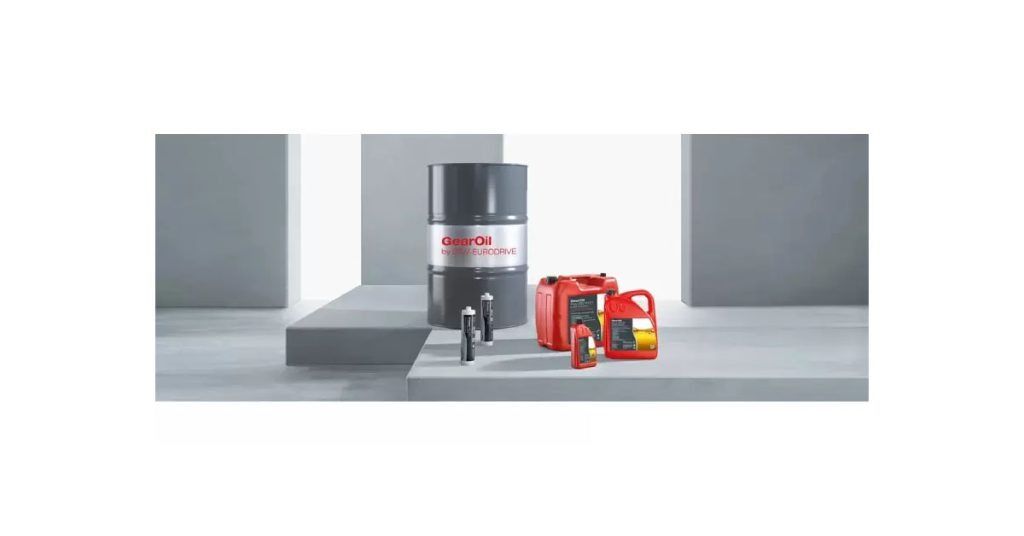
In the world of mechanical systems, gearmotors are the workhorses, driving operations across various industries. Yet, their efficiency and longevity hinge on a crucial component often overlooked: lubricants. Understanding the role of lubricants, how to select them, and the importance of maintenance can significantly impact your gearmotor’s performance and lifespan.

Understanding Gearmotor Lubricants

Lubricants in gearmotors serve several vital functions. They reduce friction between moving parts, minimize wear, protect against corrosion, and help dissipate heat. The right lubricant can ensure that your gearmotor operates smoothly, efficiently, and remains durable over time.

Types of Lubricants

Gearmotor lubricants come in various forms, including oils, greases, and synthetic options, each suited to different applications and environments:

  • Oils: Ideal for high-speed and high-temperature conditions, oils are excellent at heat dissipation.
  • Greases: Suitable for gearmotors operating under moderate speeds and temperatures. Grease stays in place better than oil, making it a good option for vertical or irregularly shaped gear units.
  • Synthetic Lubricants: Designed for extreme conditions, synthetics offer superior performance in very high or low temperatures and provide longer lubrication intervals.
Selecting the Right Lubricant

The choice of lubricant depends on several factors:

  • Operating Environment: Consider temperature, moisture, and exposure to contaminants.
  • Load and Speed: High loads and speeds may require lubricants with specific properties to reduce wear and manage heat.
  • Gearmotor Design: The manufacturer’s specifications can guide the viscosity and type of lubricant needed for optimal performance.

Maintenance and Changing Intervals

Regular maintenance and timely replacement of lubricants are key to preventing gearmotor failures. While the exact intervals can vary, here are some general guidelines:

  • Initial Change: Some manufacturers recommend changing the lubricant after the first 500 hours of operation to remove any debris or contaminants from the initial break-in period.
  • Regular Interval: Typically, lubricants should be changed every 7,500 to 10,000 hours of operation or at least annually, though harsh operating conditions may necessitate more frequent changes.

Signs You Need to Change Your Gearmotor’s Lubricant

  • Increased Noise or Vibration: Could indicate lubrication breakdown or contamination.
  • Overheating: Insufficient lubrication can lead to increased friction and heat.
  • Visual Inspection: Discoloration or metal particles in the lubricant are signs of wear and contamination.

Conclusion

Lubricants play a critical role in the performance and maintenance of gearmotors. By selecting the appropriate type and diligently adhering to maintenance schedules, you can enhance the efficiency, reliability, and lifespan of your gearmotor systems. Remember, when in doubt, consult the manufacturer’s guidelines or reach out to a professional for advice on keeping your gearmotors running smoothly.
Source

Related Articles


Changing Scene

  • Weidmüller Canada Is Growing Their Team & Investing in the Future of Engineering

    Weidmüller Canada Is Growing Their Team & Investing in the Future of Engineering

    Weidmüller Canada is growing their team and investing in the future of engineering. They are proud to welcome Ada Santavy, Laura Cochrane, and William Watson, the newest hires of Weidmüller’s Engineering Launchpad Program, an innovative initiative that combines technical and soft skills training, mentorship from industry veterans, and hands-on project experience to develop well-rounded engineering… Read More…

  • Leviton Canada Announces Jim Hartery as New Territory Manager, Alberta

    Leviton Canada Announces Jim Hartery as New Territory Manager, Alberta

    Please join Leviton Canada in welcoming Jim Hartery to their team! Jim brings extensive experience in sales and account management within the electrical industry, along with a proven track record of building strong customer relationships, developing new business opportunities, and driving growth across both new and existing accounts. Leviton is thrilled to have Jim on… Read More…


Sponsored Content
The Easy Way to the Industrial IoT

The way to the Industrial IoT does not have to be complicated. Whether access to valuable data is required or new, data-driven services are to be generated, Weidmuller enables its customers to go from data to value the easy way. Weidmuller’s comprehensive and cutting-edge IIoT portfolio applies to greenfield and brownfield applications. Weidmuller offers components and solutions from data acquisition, data pre-processing, data communication and data analysis.

Visit Weidmuller’s Industrial IoT Portfolio.


ADVANCED Motion Controls Takes Servo Drives to New Heights (and Depths) with FlexPro Extended Environment Product Line

Advanced Motion Controls is proud to announce the addition of six new CANopen servo drives with Extended Environment capabilities to their FlexPro line. These new drives join AMC’s existing EtherCAT Extended Environment FlexPro drives, making the FlexPro line the go-to solution for motion control applications in harsh environments.

Many motion control applications take place in conditions that are less than ideal, such as extreme temperatures, high and low pressures, shocks and vibrations, and contamination. Electronics, including servo drives, can malfunction or sustain permanent damage in these conditions.

Read More


Service Wire Co. Announces New Titles for Key Executives

Bruce Kesler and Mark Gatewood have been given new titles and responsibilities for Service Wire Co.

Bruce Kesler has assumed the role of Senior Director – Business Development. Bruce will be responsible for Service Wire’s largest strategic accounts and our growing Strategic Accounts Team.

Mark Gatewood has been promoted to the role of Vice President – Sales & Marketing. In this role, Gatewood will lead the efforts of Service Wire Company’s entire sales and marketing organization in all market verticals.

Read More


Tri-Mach Announces the Purchase of an Additional 45,000 sq ft. Facility

Tri-Mach Elmira Facility

Recently, Tri-Mach Inc. was thrilled to announce the addition of a new 45,000 sq ft. facility. Located at 285 Union St., Elmira, ON, this facility expands Tri-Mach’s capabilities, allowing them to better serve the growing needs of their customers.

Positioning for growth, this additional facility will allow Tri-Mach to continue taking on large-scale projects, enhance product performance testing, and provide equipment storage for their customers. The building will also be the new home to their Skilled Trades Centre of Excellence.

Read More


JMP Parent Company, CONVERGIX Acquires AGR Automation, Expanding Global Reach

Convergix Automation Solutions has completed the acquisition of AGR Automation (“AGR”), a UK-based provider of custom, high-performance automation design and systems integration primarily to the life sciences industry.

Following Convergix’s acquisitions of JMP Solutions in August 2021 and Classic Design in February 2022, AGR marks the third investment in Crestview’s strategy to build Convergix into a diversified automation solutions provider targeting the global $500+ billion market, with a particular focus on the $70 billion global systems integration and connectivity segments. Financial terms of the transaction were not disclosed.

Read More


Latest Articles

  • Texcan: Teck, Vertical Riser & AIRGUARD – Cable Solutions for Demanding Environments

    Texcan: Teck, Vertical Riser & AIRGUARD – Cable Solutions for Demanding Environments

    Teck, Vertical Riser Teck, and AIRGUARD address distinct installation needs for industrial and vertical‑riser installations. Each product targets specific installation needs: Teck for general industrial feeders, Vertical Riser Teck for continuous vertical runs, and AIRGUARD to deliver high crush resistance and corrosion protection on long runs. Understanding the differences in application can help ensure the right cable is selected for the… Read More…

  • Mouser: Industrial Ethernet vs Fieldbus – Architecture, TSN & Migration

    Mouser: Industrial Ethernet vs Fieldbus – Architecture, TSN & Migration

    Fieldbuses once replaced bundles of wiring with shared, deterministic networks. For years, they carried control signals reliably and predictably. However, as equipment, sensors, and data systems proliferated, fieldbus limitations emerged. The central issue today is real-time operational visibility. Engineers need networks that move control data, diagnostics, and process information across the plant as reliably as… Read More…