|

Electromate: Hazardous Environments & Sensor Technologies Explained
Electromate: Hazardous Environments & Sensor Technologies Explained

March 6, 2025

Electromate Provides Informative Explanation of Hazardous Environments & Sensor Technologies

Hazardous environments present significant risks due to the presence of flammable gases, vapors, or combustible dust. These areas require strict safety measures to prevent ignition and ensure worker safety. The classification of hazardous locations helps determine the appropriate safety protocols and equipment necessary for each setting.

A hazardous environment exists when a mix of air and flammable substances creates an explosive atmosphere. The presence of potential ignition sources, such as electrical equipment, increases the risk of combustion. Industries such as oil and gas, mining, and manufacturing must implement specialized safety solutions to mitigate these dangers.


Hazardous Location Classifications

To ensure safety, hazardous environments are categorized based on the frequency and presence of explosive substances. These classifications help define the necessary protective measures and suitable equipment.

In North America, hazardous locations are classified under UL and CSA regulations:

  • Class I: Flammable gases or vapors, such as those found in oil refineries and chemical plants.
  • Class II: Combustible dust, commonly present in grain silos and coal processing plants.
  • Class III: Ignitable fibers, a risk in textile and paper mills.
  • Division 1: Hazardous materials are present under normal operating conditions.
  • Division 2: Hazardous materials are present only under abnormal conditions.

In Europe and Internationally, the ATEX and IECEx classifications define hazardous locations:

  • Zone 0: A continuous presence of hazardous substances.
  • Zone 1: An occasional presence of hazardous substances during normal operation.
  • Zone 2: Hazardous substances are rarely present and only under abnormal conditions.

Understanding these classifications is essential for selecting the right equipment and safety strategies in hazardous environments.


Sensor Technologies for Hazardous Environments

Specialized sensors play a critical role in monitoring and ensuring safety in hazardous locations. These sensors are designed to prevent ignition while providing accurate and reliable data for industrial operations.

  • Intrinsically Safe Sensors limit electrical energy output to prevent ignition, making them ideal for environments with continuous hazardous exposure.
  • Explosion-Proof Encoders are built to contain internal explosions, preventing ignition from spreading to the external environment.
  • Fiber Optic Rotary Encoders offer a non-electrical solution for hazardous environments, eliminating ignition risks associated with electrical components.
  • ATEX and IECEx Certified Sensors meet stringent global safety standards for use in hazardous locations.

Industry Applications

Hazardous-rated sensors are used across industries to enhance safety and operational efficiency.

  • Oil & Gas – Explosion-proof encoders are used in pump and compressor systems, while intrinsically safe sensors help prevent ignition in volatile gas environments. Pipeline monitoring systems ensure the safe transport of flammable materials.
  • Mining – Conveyor belt positioning sensors help maintain safe operations, while gas detection sensors monitor hazardous conditions in tunnels. Automated mining equipment relies on rugged sensor solutions to operate safely in extreme environments.
  • Manufacturing & Processing – Printing and textile operations require dust and vapor management solutions to prevent combustion hazards. Pharmaceutical production facilities also rely on hazardous-rated sensors to ensure compliance with strict safety regulations.

Ensuring Compliance & Safety

Regulatory compliance is essential for protecting workers and maintaining safe industrial operations. Hazardous locations require specialized equipment designed to meet ATEX, IECEx, UL, and CSA standards.

Key considerations for ensuring safety in hazardous environments include:

  • Environmental Durability: Sensors must withstand extreme temperatures, humidity, and mechanical shock.
  • Regulatory Compliance: Selecting devices that meet global safety standards.
  • Reliability and Accuracy: High-precision sensors reduce false alarms and improve operational stability.
  • Long-Term Durability: Investing in rugged, low-maintenance sensors enhances safety and efficiency.

Overcoming Challenges in Sourcing Components

Securing certified sensors for hazardous environments presents several challenges:

  • Navigating Complex Regulations: Compliance with ATEX, IECEx, UL, and CSA standards can be difficult.
  • Limited Availability of Certified Components: Finding specialized sensors that meet industry regulations.
  • Cost Considerations: Balancing investment in certified equipment with long-term operational benefits.
  • Supply Chain Disruptions: Ensuring timely access to compliant components.

Planning ahead and working with trusted suppliers helps mitigate these challenges while ensuring uninterrupted operations.

Hazardous environments require a deep understanding of risk factors, classification systems, and regulatory standards. Implementing the right sensor technology enhances safety, ensures compliance, and improves operational efficiency. By selecting certified sensors tailored to industry needs, businesses can minimize risks and maintain secure industrial processes.
Source

Related Articles


Changing Scene

  • Weidmüller Canada Is Growing Their Team & Investing in the Future of Engineering

    Weidmüller Canada Is Growing Their Team & Investing in the Future of Engineering

    Weidmüller Canada is growing their team and investing in the future of engineering. They are proud to welcome Ada Santavy, Laura Cochrane, and William Watson, the newest hires of Weidmüller’s Engineering Launchpad Program, an innovative initiative that combines technical and soft skills training, mentorship from industry veterans, and hands-on project experience to develop well-rounded engineering… Read More…

  • Leviton Canada Announces Jim Hartery as New Territory Manager, Alberta

    Leviton Canada Announces Jim Hartery as New Territory Manager, Alberta

    Please join Leviton Canada in welcoming Jim Hartery to their team! Jim brings extensive experience in sales and account management within the electrical industry, along with a proven track record of building strong customer relationships, developing new business opportunities, and driving growth across both new and existing accounts. Leviton is thrilled to have Jim on… Read More…


Sponsored Content
The Easy Way to the Industrial IoT

The way to the Industrial IoT does not have to be complicated. Whether access to valuable data is required or new, data-driven services are to be generated, Weidmuller enables its customers to go from data to value the easy way. Weidmuller’s comprehensive and cutting-edge IIoT portfolio applies to greenfield and brownfield applications. Weidmuller offers components and solutions from data acquisition, data pre-processing, data communication and data analysis.

Visit Weidmuller’s Industrial IoT Portfolio.


ADVANCED Motion Controls Takes Servo Drives to New Heights (and Depths) with FlexPro Extended Environment Product Line

Advanced Motion Controls is proud to announce the addition of six new CANopen servo drives with Extended Environment capabilities to their FlexPro line. These new drives join AMC’s existing EtherCAT Extended Environment FlexPro drives, making the FlexPro line the go-to solution for motion control applications in harsh environments.

Many motion control applications take place in conditions that are less than ideal, such as extreme temperatures, high and low pressures, shocks and vibrations, and contamination. Electronics, including servo drives, can malfunction or sustain permanent damage in these conditions.

Read More


Service Wire Co. Announces New Titles for Key Executives

Bruce Kesler and Mark Gatewood have been given new titles and responsibilities for Service Wire Co.

Bruce Kesler has assumed the role of Senior Director – Business Development. Bruce will be responsible for Service Wire’s largest strategic accounts and our growing Strategic Accounts Team.

Mark Gatewood has been promoted to the role of Vice President – Sales & Marketing. In this role, Gatewood will lead the efforts of Service Wire Company’s entire sales and marketing organization in all market verticals.

Read More


Tri-Mach Announces the Purchase of an Additional 45,000 sq ft. Facility

Tri-Mach Elmira Facility

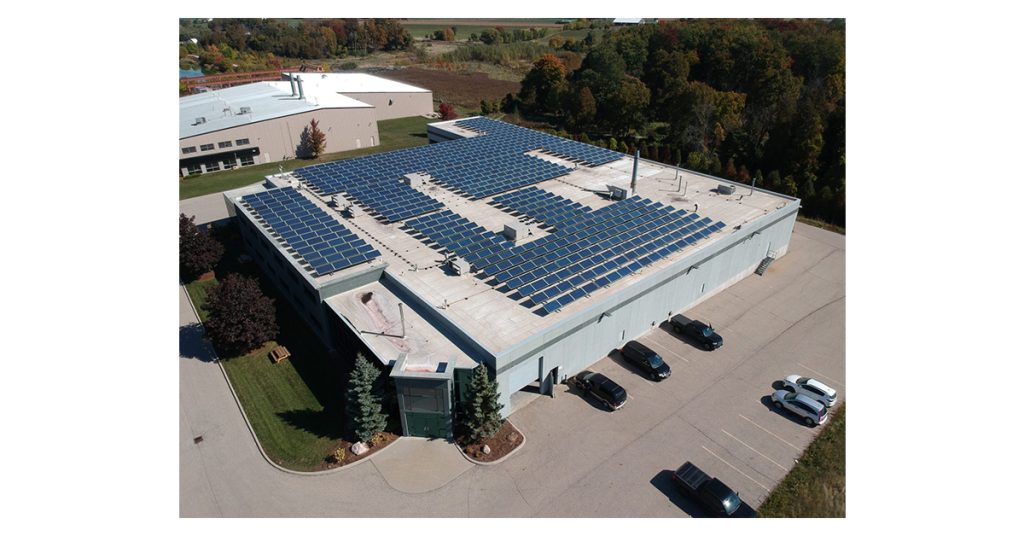
Recently, Tri-Mach Inc. was thrilled to announce the addition of a new 45,000 sq ft. facility. Located at 285 Union St., Elmira, ON, this facility expands Tri-Mach’s capabilities, allowing them to better serve the growing needs of their customers.

Positioning for growth, this additional facility will allow Tri-Mach to continue taking on large-scale projects, enhance product performance testing, and provide equipment storage for their customers. The building will also be the new home to their Skilled Trades Centre of Excellence.

Read More


JMP Parent Company, CONVERGIX Acquires AGR Automation, Expanding Global Reach

Convergix Automation Solutions has completed the acquisition of AGR Automation (“AGR”), a UK-based provider of custom, high-performance automation design and systems integration primarily to the life sciences industry.

Following Convergix’s acquisitions of JMP Solutions in August 2021 and Classic Design in February 2022, AGR marks the third investment in Crestview’s strategy to build Convergix into a diversified automation solutions provider targeting the global $500+ billion market, with a particular focus on the $70 billion global systems integration and connectivity segments. Financial terms of the transaction were not disclosed.

Read More


Latest Articles

  • Texcan: Teck, Vertical Riser & AIRGUARD – Cable Solutions for Demanding Environments

    Texcan: Teck, Vertical Riser & AIRGUARD – Cable Solutions for Demanding Environments

    Teck, Vertical Riser Teck, and AIRGUARD address distinct installation needs for industrial and vertical‑riser installations. Each product targets specific installation needs: Teck for general industrial feeders, Vertical Riser Teck for continuous vertical runs, and AIRGUARD to deliver high crush resistance and corrosion protection on long runs. Understanding the differences in application can help ensure the right cable is selected for the… Read More…

  • Mouser: Industrial Ethernet vs Fieldbus – Architecture, TSN & Migration

    Mouser: Industrial Ethernet vs Fieldbus – Architecture, TSN & Migration

    Fieldbuses once replaced bundles of wiring with shared, deterministic networks. For years, they carried control signals reliably and predictably. However, as equipment, sensors, and data systems proliferated, fieldbus limitations emerged. The central issue today is real-time operational visibility. Engineers need networks that move control data, diagnostics, and process information across the plant as reliably as… Read More…