Techspan: Choosing the Right Cable Lugs for Industrial Applications in Canada

November 3, 2026
Cable Lugs: How to Narrow Down Suitable Options for Industrial Applications in Canada
Cable lugs create the termination between an electrical conductor and an equipment connection point. In industrial applications, selecting the right lug requires more than identifying a general connector type. You need to confirm that the component suits the conductor, terminal point, installation method, and surrounding conditions.
Techspan supplies a range of cable lugs and related electrical connectors for industrial applications, but the correct choice depends on the details of the connection. Understanding those requirements before ordering can help you narrow down suitable options and avoid relying on appearance or assumptions about interchangeability.
How to Choose the Right Cable Lugs
Cable lug selection starts with compatibility. The connector needs to match the conductor and the equipment it will terminate to, while also fitting the physical and operating requirements of the installation.
Techspan’s cable lug range includes different connector designs, conductor ranges, and equipment-side connection configurations. That makes it important to review the complete application rather than assuming one lug type will work across multiple installations.
Start With the Application Requirements
Before looking at individual cable lugs, define what the connection needs to accomplish. Identify the equipment involved, where the termination will be located, and how the connector needs to fit within the available space.
Connection orientation and accessibility can also influence your options. A lug may fit the conductor but still be unsuitable if its shape or mounting arrangement doesn’t work with the intended terminal point.
By establishing these requirements first, you create a practical starting point for comparing electrical connectors.
Match the Cable Lug to the Conductor Type
The conductor and connector need to be compatible with each other. Conductor material and construction can affect which lug design is appropriate, so you should confirm these details against the specifications for the product you’re considering.
Don’t assume two similar-looking lugs are interchangeable. Different products can be designed for different conductors or connection arrangements.
Techspan recommends checking the individual product specifications before ordering rather than applying the characteristics of one lug across an entire product category.
Confirm the Correct Conductor Size
Cable lugs are designed to accommodate specified conductor sizes or ranges. Selecting a connector that doesn’t correspond to the conductor can create problems when it comes time to make the termination.
Use the conductor specifications for the project instead of estimating cable size from appearance. Techspan product information identifies conductor ranges for individual cable lugs, allowing you to compare the connector directly with the wiring requirements.
If a project involves several conductor sizes, documenting each one before ordering can also make component selection easier to manage.
Check the Stud or Terminal Connection
The conductor is only one side of the termination. The cable lug must also fit the equipment-side connection, which may involve a stud, bolt, or another terminal arrangement.
Check the required hole or mounting dimensions against the lug specifications. Selecting a component based only on conductor size can leave you with a connector that accepts the cable but doesn’t physically fit the equipment.
Confirming both sides of the connection before ordering is a simple way to narrow the product options more accurately.
Consider the Installation Environment
Industrial installations can expose electrical components to different operating conditions. Location, exposure, equipment type, and other environmental factors may affect which materials, finishes, or protective characteristics are required.
These properties vary between products. Techspan does not recommend assuming that every cable lug within a category carries the same environmental characteristics, approvals, or performance ratings.
Instead, identify the conditions around the actual termination and compare those requirements with verified product specifications.
Review the Cable Lug Design & Connection Method
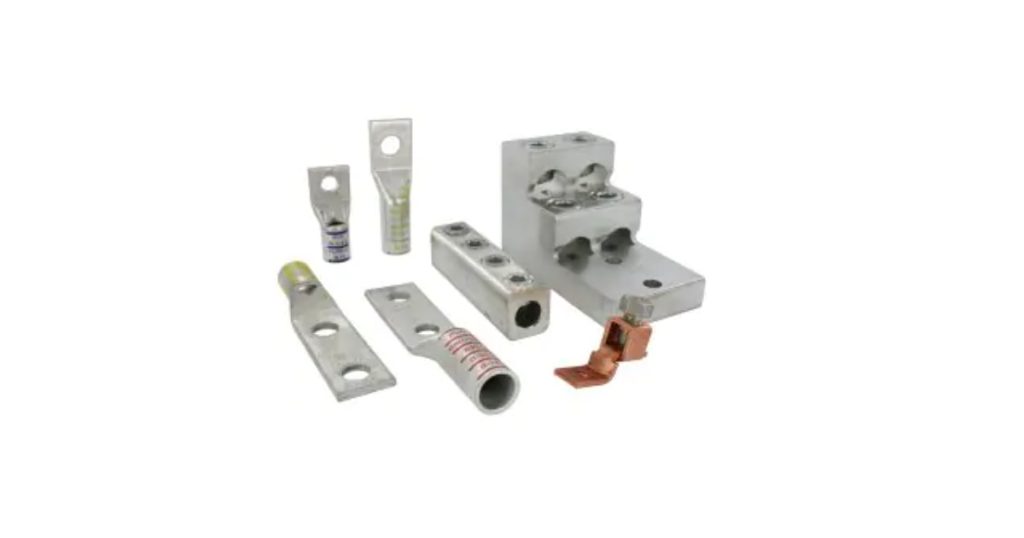
Cable lugs can differ in both their design and the way they attach to a conductor. For example, Techspan’s range includes compression lugs as well as mechanical connectors that use bolts or set screws rather than a crimped connection.
That difference affects the installation method and the tools required for the job. Before ordering, confirm how the connector is intended to be installed and whether the necessary equipment is available.
For projects involving many terminations, establishing the connection method early can also help maintain consistency across the installation.
Verify Compatibility Before Ordering
Before finalizing an order, bring the main selection criteria together and verify:
- Conductor type and specified size
- Equipment-side stud, bolt, or terminal dimensions
- Installation location and relevant operating conditions
- Cable lug design and connection method
- Required tools and installation approach
Use verified specifications for the exact electrical components you’re comparing. Product appearance or a broad category name doesn’t provide enough information to confirm compatibility.
Common Cable Lug Selection Mistakes to Avoid
Selection problems often occur when one specification receives all the attention. Conductor size is important, but it doesn’t tell you whether the connector fits the equipment terminal or suits the planned installation method.
Other common issues include assuming similar-looking lugs are interchangeable, overlooking conductor compatibility, or ordering before confirming the stud or bolt dimensions.
The better approach is to treat the termination as a complete connection. Check the conductor, equipment interface, connector design, and application conditions together before making the final selection.
What to Check Before Purchasing Electrical Connectors
Gathering the project information first can make purchasing much more straightforward. Have the conductor specifications, equipment terminal details, installation requirements, and relevant operating conditions available before comparing products.
With those details in hand, you can evaluate cable lugs and related electrical components against the actual application rather than trying to resolve compatibility questions after the order arrives.
For projects using several connector sizes or configurations, keep the specifications associated with each termination. Small differences in conductor range or terminal dimensions can change which component is appropriate.
Choose Cable Lugs That Fit Your Application
Choosing the right cable lugs means matching the connector to the conductor, the equipment-side connection, and the installation conditions. Confirming conductor size, terminal dimensions, connector design, and installation requirements before ordering gives you a clearer basis for comparing products.
At Techspan, they offer cable lugs and related connection products for industrial electrical applications, along with product information to help you identify options that fit your requirements.
Reach out to Techspan today at 1.800.363.1588 (Eastern / Central Canada) or 604.420.0425 (Western Canada), email them at sales@techspan.ca or westsales@techspan.ca or click here to get in touch online.
Frequently Asked Questions About Cable Lugs
What Are Cable Lugs Used For?
Cable lugs are electrical connectors used to terminate conductors at equipment or other electrical connection points. Depending on their design, they provide a way to connect the conductor to the intended terminal or mounting point.
How Do I Know What Size Cable Lug I Need?
Start with the specified conductor size, then check the connection requirements on the equipment side. The lug needs to accommodate the conductor while also fitting the applicable stud, bolt, or terminal arrangement. They recommend checking the specifications for the individual product rather than assuming one lug will fit several conductor sizes or connection configurations.
Can the Same Cable Lug Be Used with Different Conductors?
Compatibility depends on the lug design and the conductors it is intended to accommodate. Some connectors cover a specified conductor range, but that doesn’t make every conductor or lug interchangeable. Check the product specifications before selecting or installing the connector.
What Should I Check Before Ordering Cable Lugs?
Confirm the application requirements, conductor type and size, equipment-side connection, installation environment, and connector design. Then compare those details with the specifications for the product you’re considering. This gives you a practical pre-purchase check before finalizing the order.
Why Does Cable Lug Compatibility Matter?
The lug needs to fit both the conductor and the equipment-side connection while suiting the intended application. If one part of that relationship doesn’t match, the connector may not be appropriate for the termination. Reviewing compatibility before ordering helps identify mismatched components before they reach the installation stage.
For more information on Techspan solutions HERE