Convergix: 4 Ways Factory Automation Improves Supply Chain Management
December 4, 2025
Factory Automation: 4 Ways Automation Solutions Improve Supply Chain Management
Although the disruptions caused by the Covid-19 pandemic revealed the fragility of global supply chains, factory automation has stepped up to mitigate many of those shortcomings.
Since the onset of the Covid-19 pandemic, manufacturers worldwide have become acutely aware of the interconnectivity of supply chains. More recent issues such as international trade disputes and labor shortages have only reinforced that there are vulnerabilities every business within a supply chain has to face from time to time. Shortages of critical supplies have exposed vulnerabilities that have shut down production centers, even as demand for certain products has boomed. For many businesses, these challenges have focused on their current supply chain management practices, turning improvements into a critical strategic objective.
The good news is that, as supply chains have become interconnected, so too have the systems which monitor and manage them. Industry 4.0 technologies combined with advanced factory automation offer manufacturers new ways to improve their supply chains and make them less vulnerable to future disruptions: here’s how.
4 Major Benefits of Factory Automation
1.) Data Analytics Help Businesses Forecast Supply Needs
In modern manufacturing, data is everywhere. Businesses that have been proactive in gathering and monitoring their production processes now have stores of information detailing their supply needs, as well as seasonal trends in purchase orders.
When unexpected circumstances shift consumer demand or disrupt the supply chain, this data can be leveraged to help businesses adjust earlier in their production schedule. Manufacturers who anticipate a need can be prepared to meet demand before it comes, forestalling downstream disruptions. And the more advance warning a manufacturer has of a possible shortage, the more time they have to develop a workaround.
Production tracking can also give manufacturers insights into their internal processes. The Industrial Internet of Things (IIoT) provides production managers up-to-the-minute feedback on every stage of their assembly line. Knowing where each component is in the production process lets businesses communicate more accurately with customers on the status of their orders.
2.) Advanced Robotics & 3D Printing Keep Manufacturing Nimble
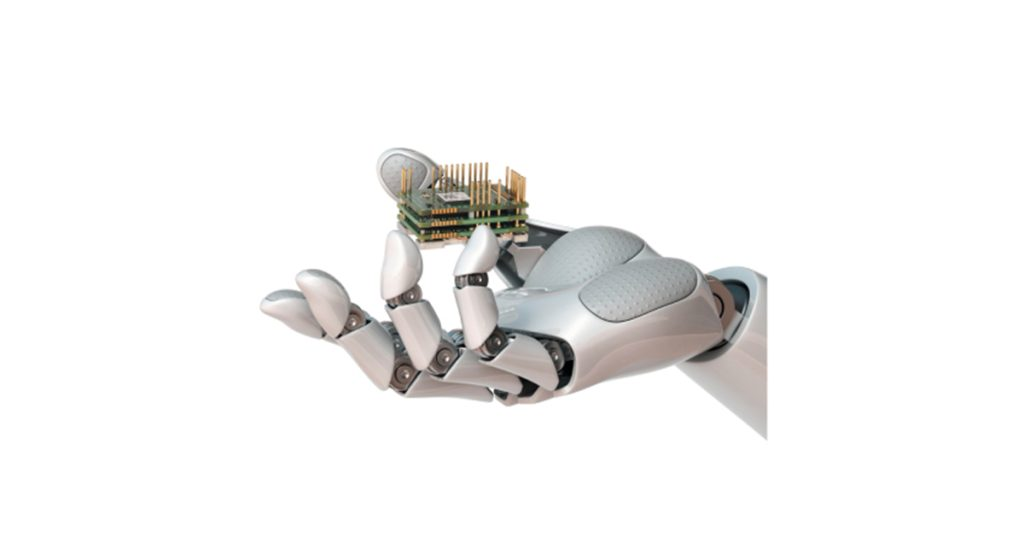
When a manufacturer needs to overhaul a significant portion of their production process suddenly, doing so can mean additional expenses, from retraining employees to purchasing new equipment. However, advanced robotics can make these transitions easier in some applications—especially for high-mix, low-volume manufacturers.
Modern robots are usually capable of using a range of end effectors. Many come with user-friendly interfaces making it easy to reprogram them for a new task without purchasing new automation equipment. Even in high-volume applications, it is more cost-effective to transition a robotic assembly from one task to another.
3D printing also plays a role in helping manufacturers adjust to fast-changing market demands. If a manufacturer recognizes the need for a specific part, 3D printing can print the necessary component on demand. This just-in-time production method can keep manufacturers on track in a crisis and reduces the number of unexpected variables that could otherwise prevent them from making production goals.
3.) Pick & Place Robots Automate Warehouse Tasks
Warehouse automation is already a significant priority for many manufacturers. Warehouse labor is tedious, time-consuming, and physically damaging to workers. Because this work is so unattractive, many employers struggle to hire enough employees to meet customer orders.
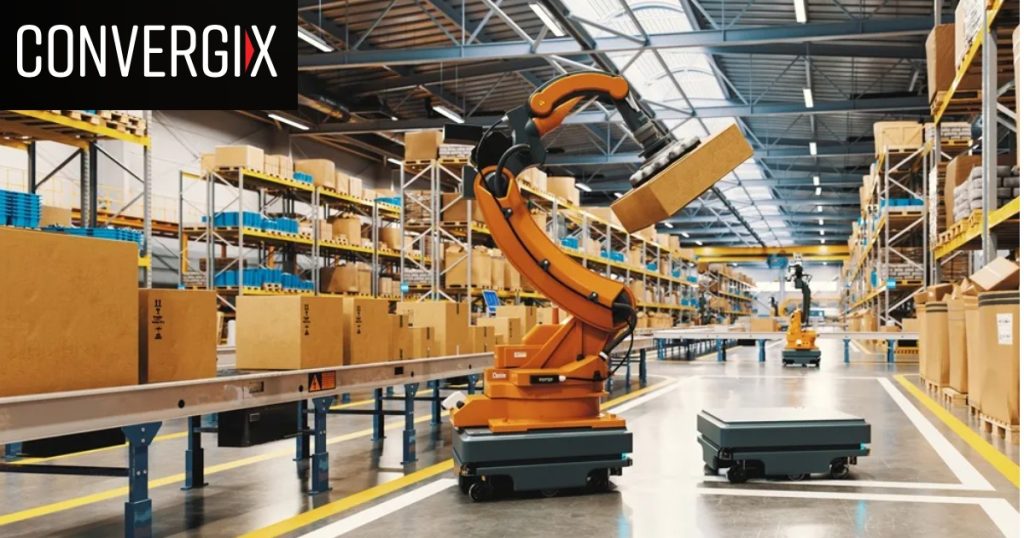
Fortunately, robots can handle the bulk of warehouse work, and improvements in their design are only making them more efficient. Robots use a combination of vision technology and geolocation positioning to identify the correct location in a warehouse. They can then load and unload without human assistance and without risk of injuring themselves in the process.
4.) Automated Supply Chain Management Reduces Errors
Finally, a great deal of the work involved in supply chain management is prone to error when done by hand. Human workers are more likely to miscount inventory items, place objects on the wrong shelf in the warehouse, drop or mishandle components during transportation, or select and ship the incorrect product when filling an order.
These errors only grow more common as humans become fatigued. The employee trying to proofread inventory numbers at the end of a long day or the warehouse worker unloading a crate at the end of a late shift are more likely to make a mistake than a robot, which can work round the clock without needing a break.
Moreover, automated testing systems throughout the production process can keep track of quality control. When errors do happen, data analytics spot the point of origin and trace which parts of the supply chain may be affected. This automation in the supply chain not only reduces the likelihood of error but mitigates the extent of error when they happen.
The Benefits of Factory Automation Extend Beyond the Manufacturing Floor
For decades, factory automation has proven itself to manufacturers worldwide as an efficient solution that cuts production costs while improving product reliability. Industry 4.0 solutions have amplified these changes, providing new tools by which businesses can innovate and thrive. But the full implications of these new technologies are still being tested, with new applications and benefits being discovered every day.
At Convergix, their team of expert engineers has worked with industries around the globe to discover new techniques in response to their factory automation difficulties. This experience has put them in a position to assist in advancing manufacturing solutions and given them insights into supply chain management challenges that they can apply to your business.
Contact Convergix today if you would like to learn more about how they can apply Industry 4.0 technologies to improve your business’s supply chain management.