Brady: Predictive Maintenance – How to Harness Data for Improved Reliability

March 3, 2026
How Predictive Maintenance Can Ensure Optimal Performance While Limiting Repair Costs & Downtime
Businesses in many industries depend on the efficiency of the equipment they own. Machinery needs to meet standards for availability, performance and quality. Properly functioning systems ensure cost-effective operations and reduce losses due to downtime, poor quality and repair costs.
The best strategy for guaranteeing equipment reliability is to use preventative maintenance and use scheduled tune-ups and cleaning instead of a reactive maintenance strategy.
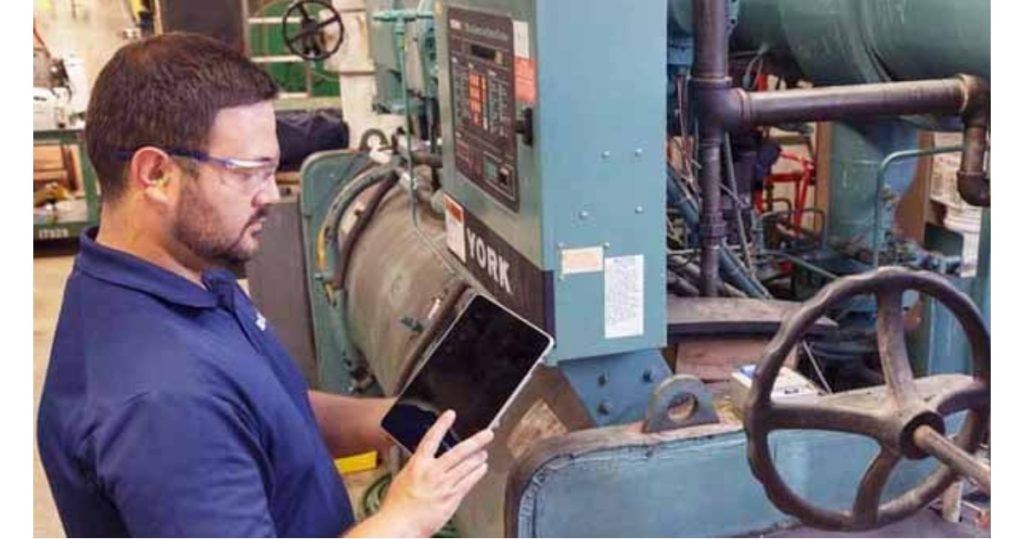
Meanwhile, equipment offering peak performance can increase output while limiting energy use. In other words, it can improve profits while lowering operating expenses, such as electricity and repair costs. Companies can invest in new equipment or upgrade current machinery to include sensors and analytics systems. These measure performance and provide early warning about maintenance needs.
Though new systems require an initial investment, they can reduce the need for costly repairs and lost revenue due to unexpected shutdowns. In the long run, such predictive systems often provide a positive return on investment. Here’s a closer look at this analytical approach to maintenance.
What Is Predictive Maintenance?
Predictive maintenance is the term for managing equipment using data from sensors and analytics software. It is essentially a data-powered form of proactive maintenance and goes beyond the traditional approach to preventative maintenance. The goal is to find and address root problems before they cause larger issues.
Preventative maintenance typically relies on a predefined maintenance schedule. For instance, some equipment may require lubrication and parts replacement when components reach the end of their lifespan.
Predictive maintenance uses sensor data to find the earliest signs of performance lapses or other signals. Maintenance personnel then react quickly to address these shortcomings and return the machinery to peak effectiveness.
Predictive systems can also help address safety issues. Artificial intelligence programs can find equipment flaws that could lead to accidents. It could also identify processes or practices that don’t meet safety standards or that increase the risk of accidents.
The Costs of Reactive Maintenance
Companies using reactive maintenance strategies do not make repairs until problems occur. They focus on emergency fixes rather than scheduled maintenance. Such repairs can be costly, and the price tag may go beyond parts and labor.
Significant fixes require stopping operations. The company will not be able to complete processes or engage in any production activities requiring the broken machinery. They will lose productivity and revenue until the equipment gets back online. Even if the machinery could still function, safe maintenance requires an OSHA-compliant lockout tagout program with detailed LOTO procedures, which often means a full shutdown until repairs are complete.
Finally, reactive maintenance does not allow planning for downtime. With scheduled maintenance, managers can plan for downtime in advance, limiting the impact on operations. Since reactive maintenance involves responding to unexpected shutdowns, it’s impossible to prepare ahead of time.
The Advantages of Proactive Maintenance
Proactive maintenance seeks to address the causes of equipment failures rather than making repairs that fix the symptoms of equipment failures but not the underlying issues.
A proactive approach is often part of a total productive maintenance strategy. Companies use this method to pursue continuous peak performance and efficiency from equipment.
The development of Internet of Things (IoT) sensors and data analytics tools supports proactive maintenance. Companies can use these systems to continuously monitor machinery and look for early signs of issues requiring maintenance.
Using Predictive Maintenance to Improve Performance
Predictive maintenance programs seek cost savings, reduced downtime and improved performance. The strategy also improves safety by reducing the likelihood of potentially dangerous machine malfunctions. However, it requires careful planning to meet OSHA’s various safety standards.
Predictive maintenance strategies have three different components. Here is an in-depth look at each one:
Data Collection
Predictive maintenance requires sensors to measure equipment performance. The metrics vary depending on the type of machinery, but data may include speed, RPMs, temperature, output or friction.
New equipment may have built-in sensors, though it is also possible to integrate IoT devices into existing machinery.
The sensors transmit data to an analytics platform using Wi-Fi, radio signals or cellular connections. Ongoing data collection is important for several reasons. First, it provides early warning when readings fall outside of normal parameters. Second, programmers can use the information to train machine learning algorithms to detect issues automatically so that they can alert maintenance managers.
Finally, maintenance managers can review historical data to find areas for improvement and look for signs of performance problems that they might have missed.
Data Analysis
Sensors send the data from machines to analytics software. This software has several functions, all focused on finding and defining performance or maintenance problems as early as possible.
Analytics software often has a central dashboard where managers can monitor information and see visualized versions of data. They can see patterns and look for outliers that indicate issues.
Machine learning and AI can automate data analytics and pattern detection. These systems offer an advantage because they analyze large amounts of data continuously 24 hours per day and eliminate issues like human error. Maintenance workers are still necessary to interpret the analysis results and decide how to respond to alerts from the software.
Maintenance Planning
Predictive maintenance requires careful planning. Equipment tune-ups occur when sensors indicate problems, not at regular intervals. Though this ensures quick responses that limit downtime, it can complicate planning.
Maintenance managers need to schedule repairs in a way that limits the impact on business operations. They also need to follow safety protocols for hazardous energy and substances to protect all personnel in the facility. Steps could involve disconnecting power sources and locking out machinery to keep systems offline during repairs.
Planning may also require getting input from operations managers and employees to limit the impact of downtime on the business.
Example of Predictive Maintenance Success
Predictive maintenance can be beneficial in any business relying on complex equipment. For example, a food production company may rely on refrigeration units to store perishable ingredients. The refrigeration units rely on sensors to measure temperature and the flow of refrigerant through the system.
If the sensors predict temperatures or volume outside of optimal levels, it could indicate a malfunction or leak. The monitoring software alerts maintenance managers to unusual sensor readings. It could also help pinpoint the problem by offering information about where the reading occurred and how it compared to previous issues.
The maintenance specialist might investigate the unit and rule out common issues like an open door or ventilation problem. If maintenance is needed, they may shut down and lock out the unit to prevent accidental operation during maintenance.
Mechanical lockout kits and specialized circuit breaker lockouts ensure the safety of maintenance workers and everyone else on the premises. Even with the system shut down, however, an IoT-enabled system may still allow operators to monitor safety and performance in real time as repairs are underway. With this information at hand, a manager can coordinate with on-site contractors to identify any further issues that arise or to simply verify that operations are proceeding as planned.
Once the job is done, operators can put the unit back online and continue collecting data to see if their actions returned the equipment to optimal performance levels.
In an example such as this, predictive maintenance ensures optimal performance and while limiting repair costs and downtime. Though this approach may require upfront investment and careful planning, it improves operations and safety overall.
For more information on Brady Canada solutions HERE