Latest News | Building Controls | Data & Security | Featured | Food & Beverage | General Manufacturing | Healthcare | Industry | Smart Factory
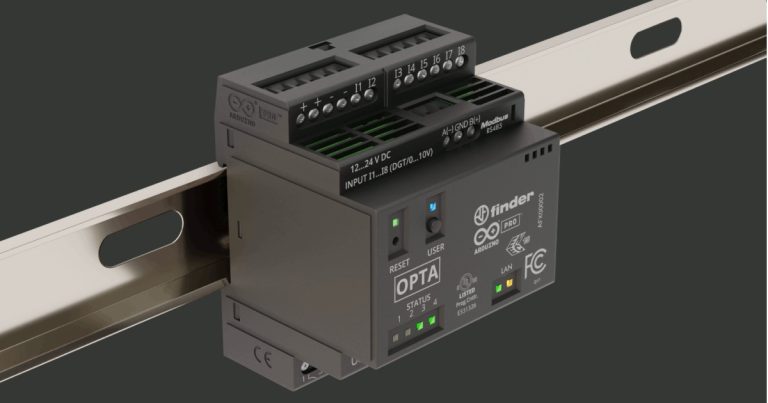
A Smart PLC Alternative: OPTA Series – (PLRs) Programmable Logic Relays
If you’ve ever been stuck choosing between a simple relay and a full-blown PLC, you know the frustration. Relays feel too limited. PLCs? Too expensive, too complex, and loaded with features you’ll never use. What you really need is something in between. That’s exactly where the Finder OPTA Programmable Logic Relay (PLR) shines — the right-sized, cost-smart solution for automation. For applications that don’t demand a rocket launcher, Finder’s OPTA provides the balance: enough intelligence to handle modern automation, without the excess baggage.