How 3D Modeling Transforms Modern Manufacturing: From Concept to Production
August 15, 2025
How 3D Modeling Is Reshaping How Products Are Designed, Developed & Produced
Modern manufacturing constantly evolves, driven by a need for greater efficiency, precision, and innovation. As the complexity of industrial processes continues to grow, advanced tools are essential to bring ideas to life. At the heart of this transformation lies 3D modeling, a foundational technology reshaping how products are designed, developed, and produced.
This article will explore the diverse applications of 3D modeling and its profound impact on the manufacturing sector, highlighting its vital role in advancing Industry 4.0 and Smart Manufacturing initiatives.
Core Applications of 3D Modeling in Manufacturing
3D modeling offers a comprehensive suite of capabilities that span the entire product lifecycle, providing significant advantages at every stage.
Product Design & Development
The journey of any product begins with an idea, and 3D modeling is instrumental in translating that idea into a tangible design.
- Concept Generation and Visualization: It allows for rapid ideation and visual representation of new products in a detailed, three-dimensional space.
- Iterative Design Improvements: Immediate visual feedback supports quick modification and refinement of designs.
- Detailed Engineering Design: 3D modeling facilitates creating the precise models necessary for production.
Prototyping & Validation
One of the most significant advantages of 3D modeling for manufacturing is its ability to streamline the prototyping process.
- Virtual Prototyping: This dramatically reduces the need for costly and time-consuming physical prototypes by allowing extensive testing and validation within a digital environment.
- Rapid Prototyping Integration: 3D models seamlessly integrate with rapid prototyping technologies, directly driving 3D printing and additive manufacturing processes.
- Early Error Detection: This capability helps identify design flaws long before physical production begins, saving considerable time and resources.
Simulation & Analysis
Beyond design and prototyping, 3D modeling provides powerful capabilities for simulation and analysis.
- Performance Prediction: Engineers can predict how designs will behave under various conditions, such as stress, fluid flow, or heat transfer, using tools like Finite Element Analysis (FEA).
- Process Optimization: 3D models are crucial for simulating entire manufacturing lines and workflows to improve efficiency and pinpoint bottlenecks.
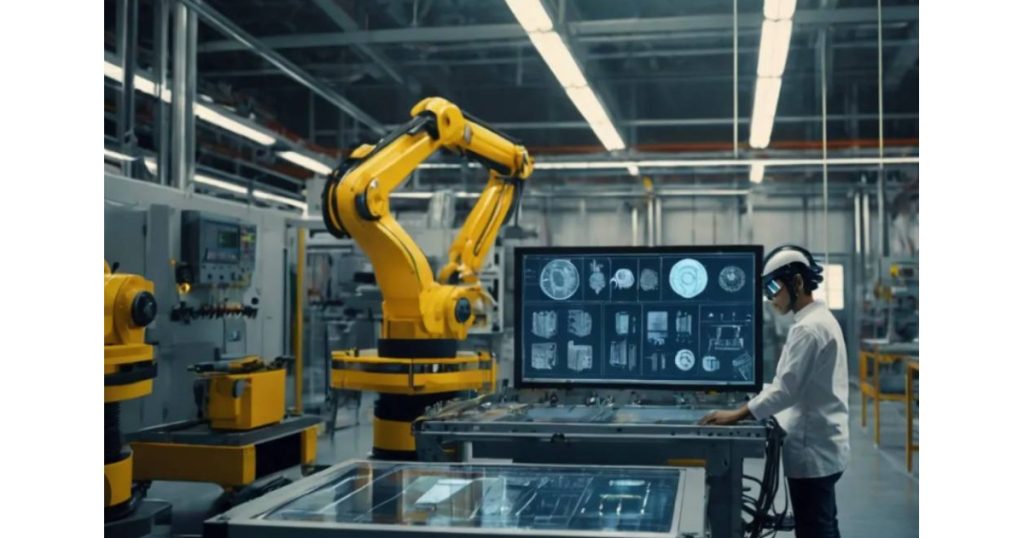
- Virtual Commissioning: A cutting-edge application where control systems and equipment can be tested and validated virtually before any physical setup occurs, significantly reducing costly start-up times and ensuring smoother deployments.
Enhancing Efficiency & Collaboration with 3D Modeling
The benefits of 3D modeling extend far beyond individual design tasks, significantly enhancing operational efficiency and fostering improved collaboration across an organization.
Improved Collaboration Across Teams
3D models serve as a universal, common visual language for engineers, designers, and production teams.
- Streamlined Communication: By providing a clear, visual representation, 3D modeling effectively reduces misunderstandings and misinterpretations that can often arise from traditional 2D drawings.
- Real-time Feedback and Review Cycles: This allows for quicker design approvals and more immediate problem-solving.
- Centralized Data Platform: This ensures everyone works from the same precise information, fostering unparalleled collaboration.
Reducing Errors & Rework
A critical advantage of using 3D modeling for manufacturing is its ability to minimize costly errors and rework.
- Visualizing Complex Assemblies: This helps identify interferences and fit issues early in the design phase.
- Digital Error Checking: Many 3D modeling software packages include automated tools that flag potential problems before they become expensive mistakes.
- Minimizing Costly Physical Modifications: Resolving these issues within the virtual environment reduces the need for physical modifications down the line.
Accelerating Time-to-Market
In today’s competitive landscape, getting products to market quickly is paramount. 3D modeling plays a crucial role in accelerating this process.
- Faster Design Iterations and Approvals: This speeds up the overall development cycle.
- Concurrent Engineering: Allows different teams to work in parallel on various aspects of a project.
- Reduced Prototyping Cycles and Physical Testing: Contributes directly to a swifter product launch.
Benefits Beyond Design: Visualization, Analysis & Communication
The utility of 3D modeling extends into areas of visualization, detailed analysis, and effective communication, providing value across the entire business.
Superior Visualization
3D modeling delivers superior visualization capabilities.
- Realistic Renderings: It generates compelling and clear representations of products and processes.
- Animated Sequences: It can produce animations that effectively demonstrate operational flows, assembly instructions, or the functionality of complex machinery, making intricate concepts easily understandable.
In-depth Analysis & Optimization
Beyond visual appeal, 3D models are powerful tools for in-depth analysis and optimization.
- Performance Analysis: They allow for the extraction of critical data necessary for various engineering calculations and simulations, providing deep insights into performance.
- Resource Optimization: They aid in detailed analysis of material usage and production costs, helping businesses make informed decisions.
Clearer Communication with Stakeholders
One often-overlooked benefit is the ability of 3D models to facilitate clearer communication with both technical and non-technical stakeholders.
- Explaining Complex Concepts: They can make technical details accessible to a broad audience.
- Aiding Sales and Marketing: Compelling visual assets derived from 3D models are invaluable.
- Supporting Training and Operational Manuals: They provide interactive and easily understood visuals for instructional materials.
Real-World Successes: 3D Modeling in Action
The transformative power of 3D modeling is evident across various industries, showcasing its practical and impactful applications.
- In the automotive industry, 3D modeling for manufacturing revolutionized vehicle design and assembly, allowing for intricate component integration and precise fit.
- The aerospace sector heavily relies on it for designing complex components and achieving precision engineering for aircraft.
- Consumer goods benefit from rapid product development and aesthetic refinement, quickly bringing new designs to market.
Firms like DSC, with a long history of expertise in manufacturing in Canada, actively leverage applications of 3D modeling to deliver robust engineering solutions. From accurate 3D laser scanning to develop precise models of existing facilities to creating detailed 3D model development for new industrial applications, they are committed to providing top-tier industrial design solutions tailored to unique market needs. Their experience spans diverse sectors, ensuring a deep understanding of how to apply these advanced tools effectively.
Conclusion: The Indispensable Role of 3D Modeling
The widespread applications of 3D modeling have fundamentally changed the landscape of modern manufacturing. It is an indispensable technology that streamlines the entire product lifecycle, from initial concept to final production.
By enhancing efficiency, significantly reducing errors, and accelerating time-to-market, 3D modeling provides a distinct competitive advantage. It is not merely a design tool but a crucial enabler of Industry 4.0 and Smart Manufacturing advancements, driving innovation and shaping the future of global manufacturing.
As industries continue to evolve, the importance of 3D modeling will only grow, solidifying its role as a cornerstone of engineering and industrial design.
Ready to explore how 3D modeling can transform your manufacturing processes and bring your industrial projects to life?
Contact DSC today or visit their website to learn more about their comprehensive engineering and design solutions.