SICK: UD18 – Fork Sensors
September 2, 2026
New UD18 – Fork Sensors: Double Layer and Adhesive Application Detection for Paper, Cardboard, Metal & Plastic
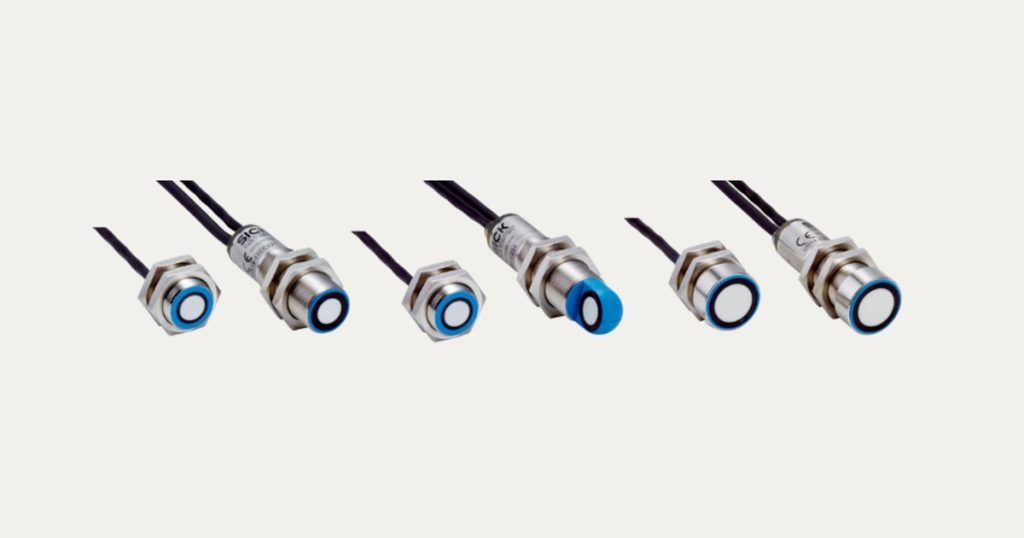
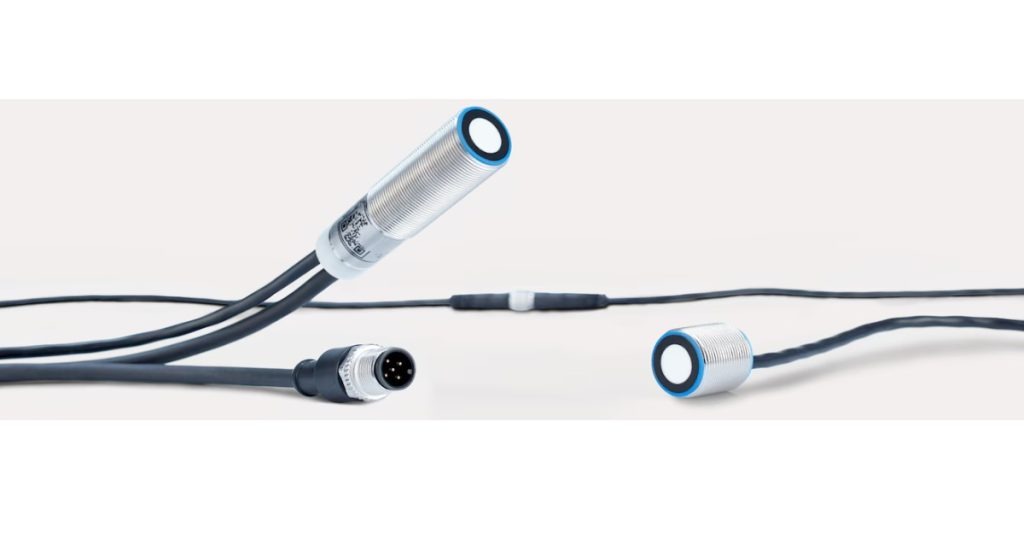
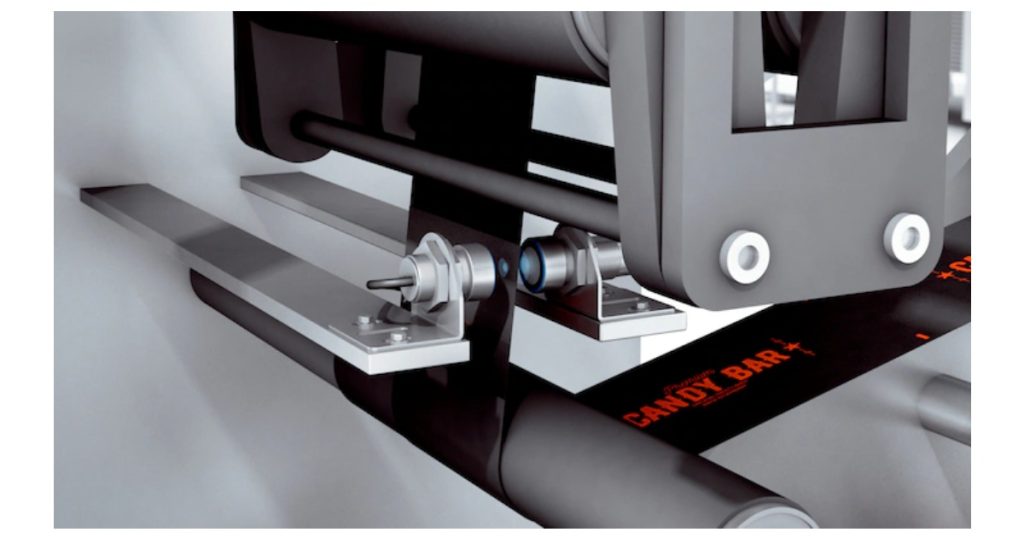
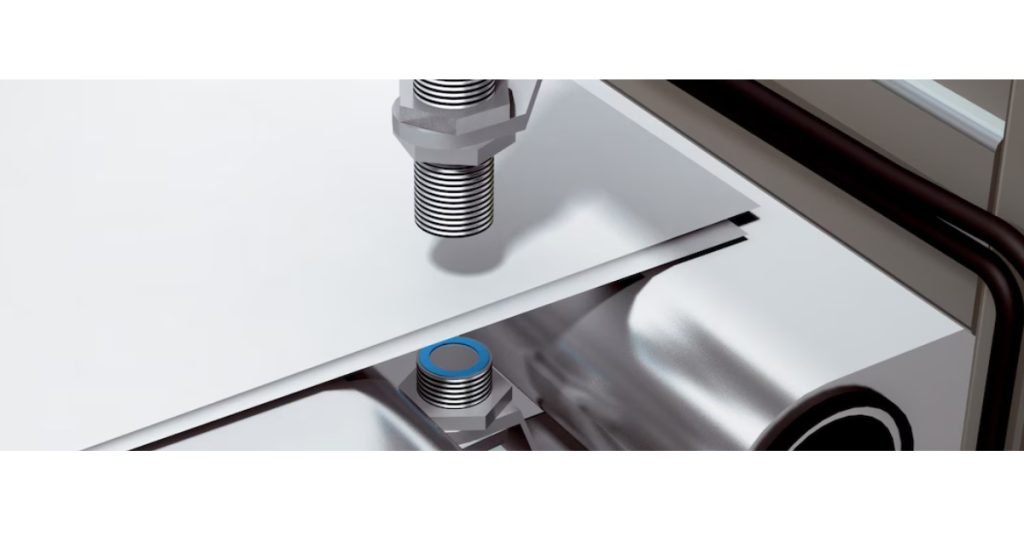
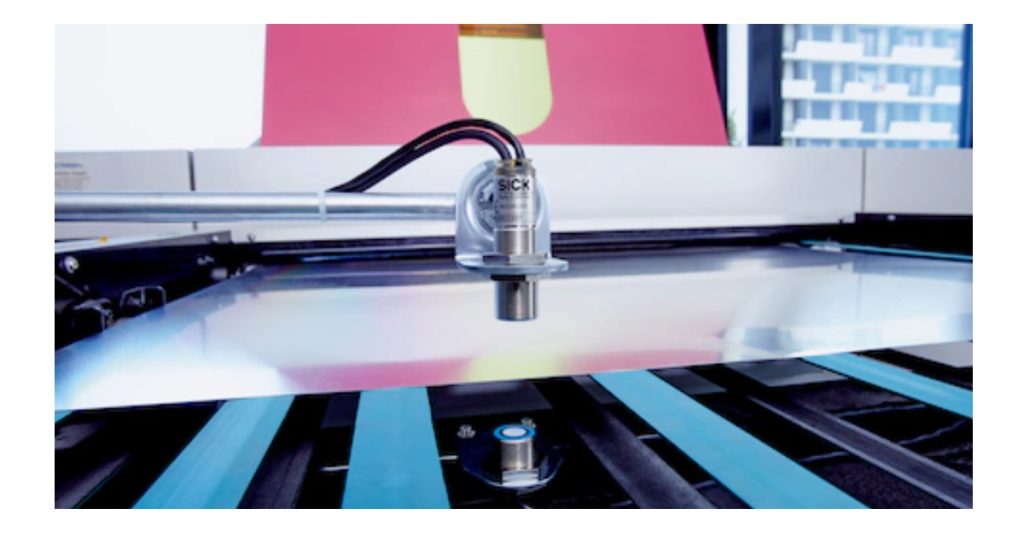
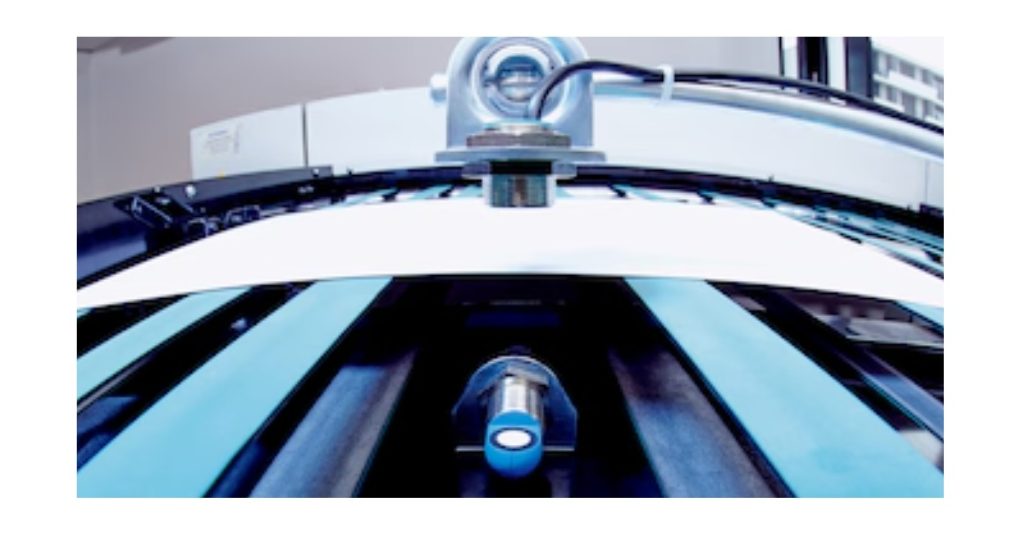
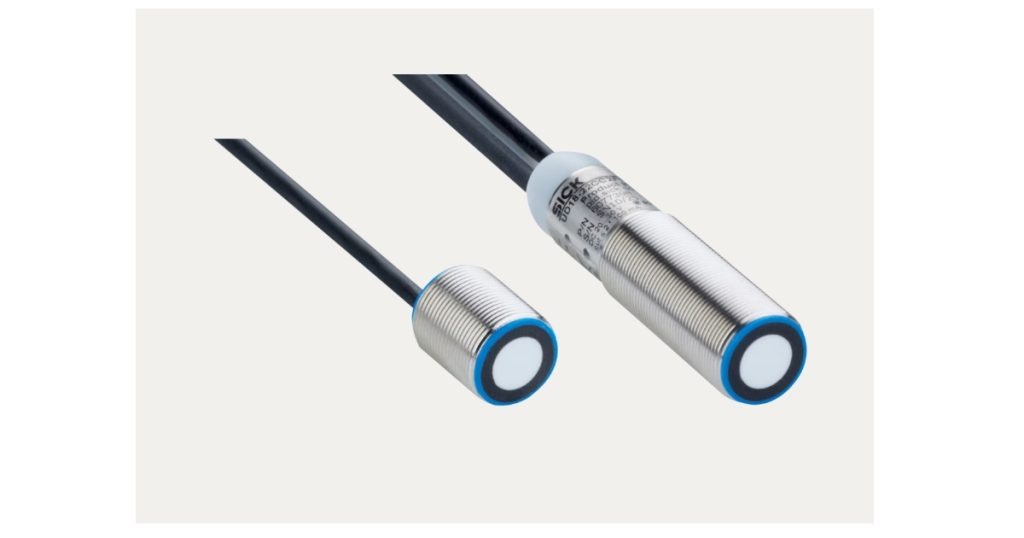
The SICK UD18 fork sensors use ultrasonic technology to check double layers and adhesive areas. The sensor precisely detects whether one or two material layers are present or missing between its sender and receiver. The device is particularly suitable for detecting double material layers of paper, cardboard, shiny metal or transparent plastic.
Up to four sensitivity levels can be taught to the device and changed while the system is running. The UD18 can transmit process data via the IO-Link interface as well as additional diagnostic data to analyze and optimize system processes. In this way, the sensor also solves demanding applications and ensures long-term plant availability with a consistently excellent level of production quality.
UD18 at a Glance
Features
- The sensor reliably detects missing, single and multiple material layers
- Simple parameterization and diagnostics with IO-Link
- Sensitivity levels can be changed while the system is running
- Up to four teachable sensitivity levels
- Variable mounting distance
- LEDs visible from any direction
- Plug & play factory settings
- Immune to dirt, dust, and humidity
Benefits
- High productivity and quality thanks to reliable testing of material transportation and fast transmission of diagnostic data
- Fast commissioning thanks to plug & play and predefined sensitivity levels
- Material change without system downtime thanks to simple change of sensitivity levels
- Demanding applications are solved by individually teaching in different materials
- Variable mounting distance for high flexibility
- Easy monitoring of operational status via LEDs visible from any direction
- Rugged ultrasonic technology for reliable detection even in the presence of dirt, dust and moisture
Advantages
Double Layer Detection with Ultrasonics
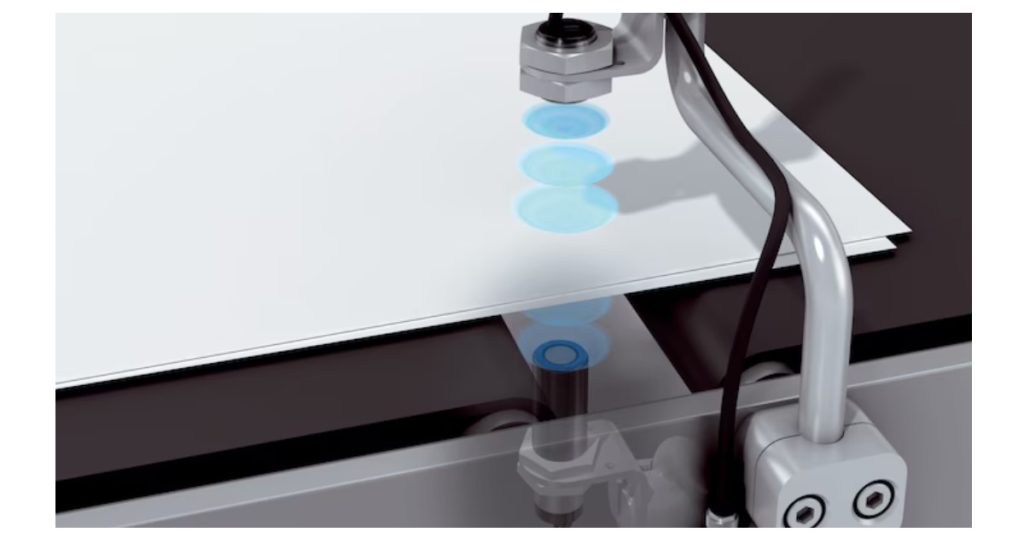
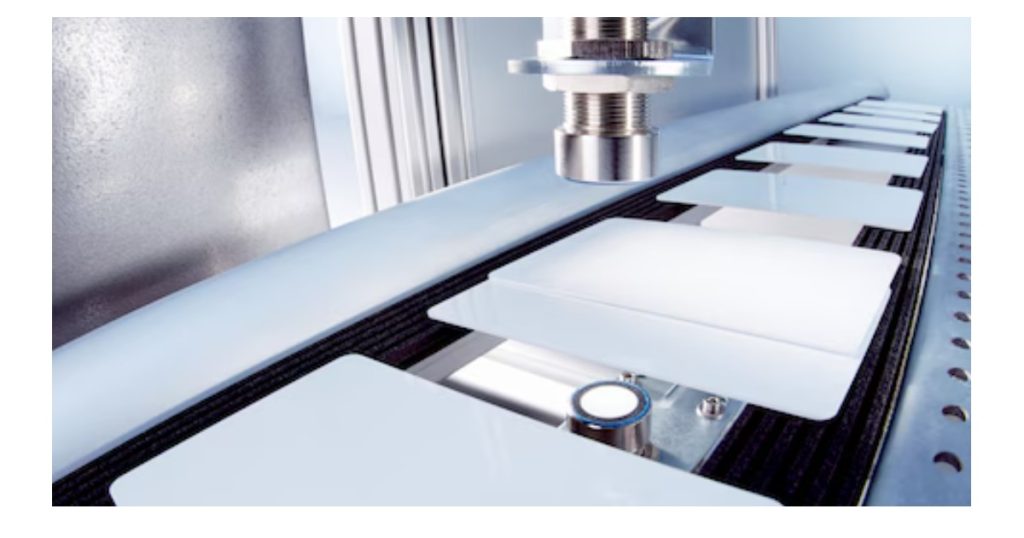
The UD18 specializes in checking for double layers and adhesive areas using ultrasonic technology. Operating with precision, it is able to determine whether one or two sheets of material – or none at all – are present between its sender and receiver.
Principle of Operation of the UD18
The sender sends ultrasonic waves towards the receiver. If there is no material between the sender and receiver, the ultrasonic waves arrive at the receiver at full strength. If there are one or two material layers between the sender and receiver, the ultrasonic waves are correspondingly weakened. The receiver directly evaluates the respective ultrasonic pulse and sets the corresponding output signals via its digital outputs and IO-Link.
An Overview of the Strengths of the UD18
Material classification into none, single and double layer. Variable mounting distance from 20 mm to 70 mm. 3 selectable levels of sensitivity. Up to 4 individual levels of sensitivity can be taught in to detect even fully adhered materials. Levels of sensitivity can be changed during system operation.
Additional configuration and visualization options via IO-Link, SICK SOPAS or Connect+ software.
Where the UD18 ultrasonic sensor from SICK really excels is checking for double layers in paper, cardboard, shiny metal, and transparent plastic. Typical fields of application for the UD18 are found in the following sectors:
- Automotive and parts supplier industry, mechanical engineering (sheet metal)
- Print and paper industry (cardboard and paper)
- Electronics and solar industry (chip cards)
Precise double layer detection of paper, cardboard, metal and precise – even of glossy or transparent materials due to the four teachable sensitivity levels, the sensor can tackle even the most complex of applications and ensure permanent plant availability with a consistently excellent level of production quality.
For more information on SICK solutions HERE


UD18 – Fork Sensors UD18 – Fork Sensors UD18 – Fork Sensors UD18 – Fork Sensors