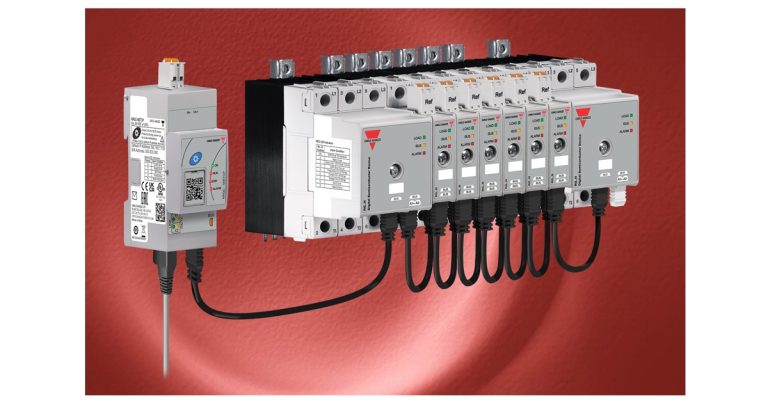
Carlo Gavazzi: New NRG 3-Phase Series – High-Performance Digital Solid-State Relays
Carlo Gavazzi is excited to introduce the new NRG 3-Phase Smart Solid-State Relays, which are designed to meet the growing demand for high-performance switching solutions. The NRG 3-phase series offers advanced digital communication capabilities, precise power control for both 2-pole and 3-pole switching applications, and a wide array of diagnostic features. This new addition of the NRG 3-Phase Series complements the existing 1-phase NRG solid state relay solution, significantly expanding the flexibility and scalability of the NRG family across a broader range of industrial automation environments. Engineered for seamless integration into Industry 4.0 architectures, the new NRG relays enable predictive maintenance, improved process reliability, and enhanced Overall Equipment Effectiveness (OEE).