| | | | | | | | | | | |

NOARK: Battle of the Breakers – MCCBs vs ACBs
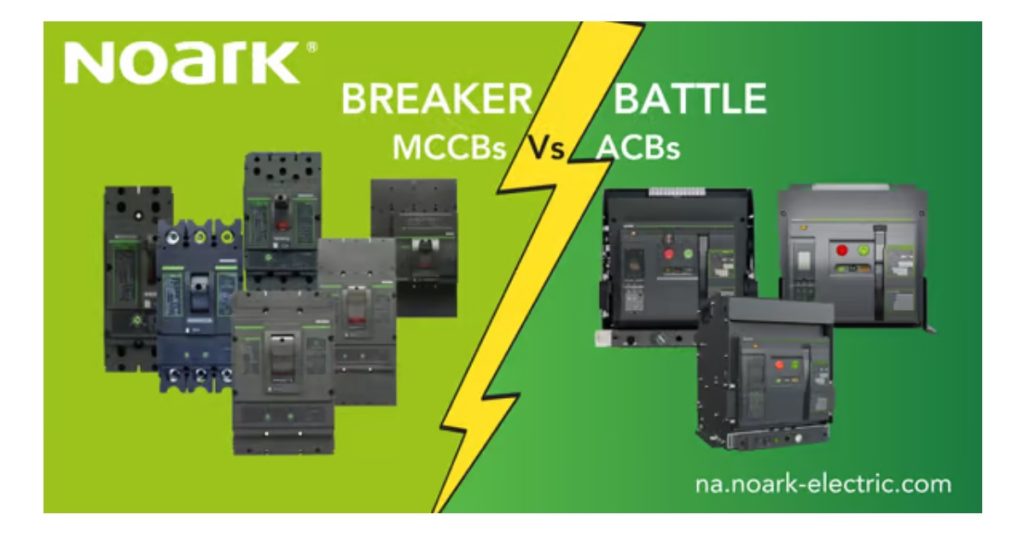
NOARK: Battle of the Breakers - MCCBs vs ACBs

May 7, 2025

MCCBs & ACBs: Exploring the Benefits & Differences

By: Sandra Abuwalla

Circuit breakers serve crucial functions. They rapidly stop faulty electric currents to prevent costly damage to equipment. Their designs differ depending on intended use and load capacities. Two common categories are Molded Case Circuit Breakers and Air Circuit Breakers. Though each disconnects power during problems, they have unique attributes. These make one preferred over the other for a given installation or application. Therefore, it’s useful for installers to know the features and differences in ACBs and MCCBs to select the right solution.
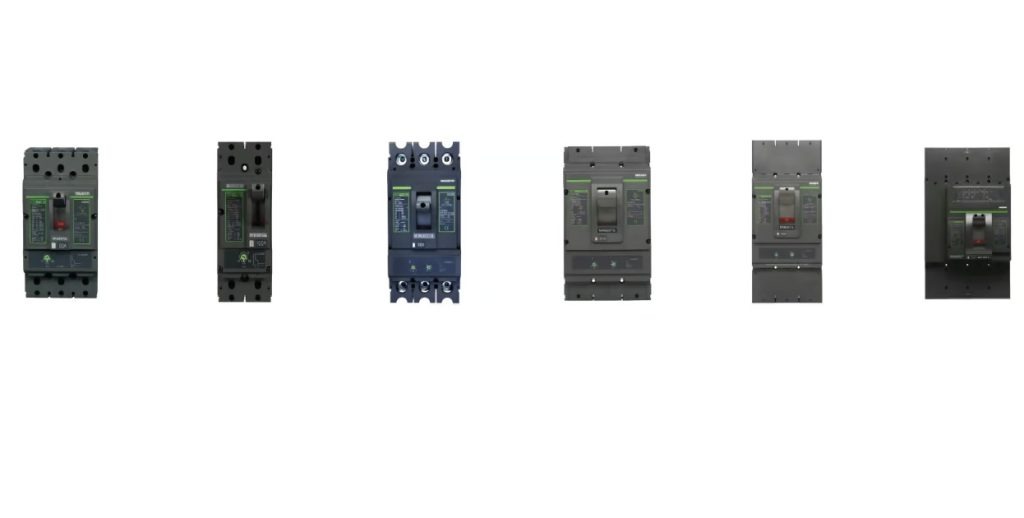
May 7, 2025 - NOARK_ Battle of the Breakers - MCCBs vs ACBs

Molded Case Circuit Breakers (MCCBs)

Overview

An MCCB is a low-voltage circuit breaker. It’s used to protect wiring and electrical equipment. It interrupts electric circuits automatically when excess current is detected. In this way, it prevents equipment damage from overloads or short circuits.

Components

Key components of an MCCB include terminals that connect wires, an operating mechanism, and trip units that senses overload and short circuit faults. For thermal magnetic breakers, the trip function uses two  mechanism  – a bimetal strip for overload protection and magnetic coil mechanism for short circuit faults.

Working Principle

When a trip unit of a molded case circuit breaker detects a sustained overload or short circuit downline, it activates the internal operating mechanism. This causes the moving contacts inside the MCCB to rapidly separate. It occurs in less than one second, interrupting the electric current passing through. This fast interruption limits the fault current that is let through preventing permanent damage to wiring or devices on the protected circuit.
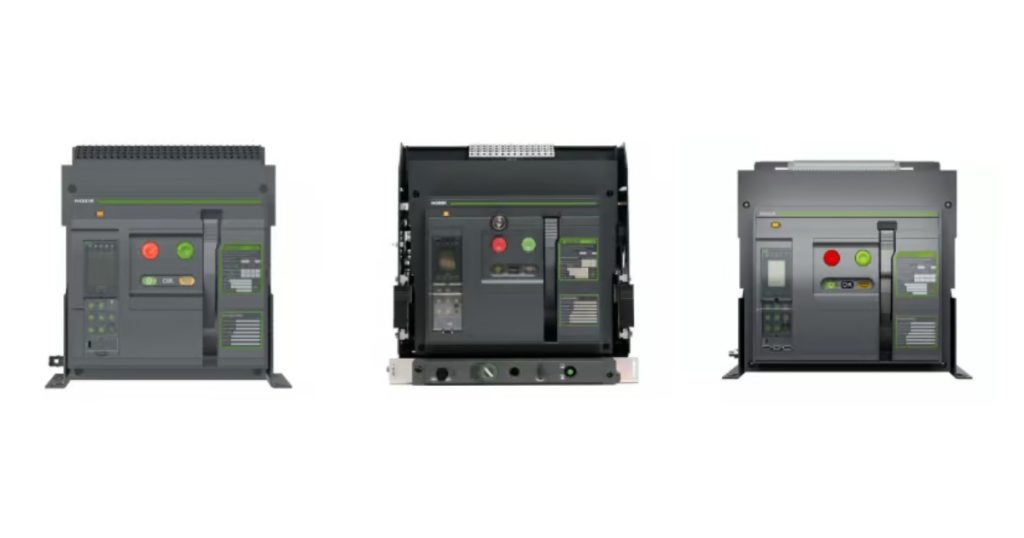
May 7, 2025 - NOARK_ Battle of the Breakers - MCCBs vs ACBs

Air Circuit Breakers (ACBs)

Overview

An ACB is a type of circuit breaker used for protecting higher-voltage systems. It typically employs pressurized air or insulating gases to instantly interrupt tripping circuits within milliseconds.

Components

Key components of an air circuit breaker include a set of high-speed moving contacts. These are enclosed in a dielectric chamber. The contacts are pneumatically operated by a mechanism. The mechanism controls compressed air which is usually kept in an insulated vessel.

Working Principle

When an electrical fault is detected, the trip unit of the ACB instantly triggers the operating mechanism. This prompts the controlled release of stored compressed gas. The blast of gas forces the moving contacts apart. It breaks the current flow through the ACB. Disconnection happens exceedingly fast due to the swift discharge of gas, within milliseconds.


MCCB vs ACB: Key Differences

MCCBs and ACBs serve important functions but have some key distinguishing characteristics in their design and application. Key attributes that highlight the differences include:

1. Ratings

ACBs typically have higher ampere ratings. They can go up to 6,300A and are suitable for larger loads in industrial settings. MCCBs are rated for relatively lower amps generally up to 3,200A. They are used in residential and commercial sites for distribution panels and secondary circuit protection.

2. Size

Size is another major MCCB vs ACB distinction. Due to their higher ratings, ACBs have larger sizes and dimensions. This is to ensure they safely handle heavier electrical loads over long periods. MCCBs are more compactly designed and smaller to conveniently fit in residential and smaller commercial electrical panels.

3. Application

MCCBs are generally used in distribution panels located in homes, smaller facilities, and retail buildings for branch circuits protection. ACBs are usually found in large industrial facilities. This includes factories and manufacturing plants, utility substations, and other high-current applications requiring primary protection.

4. Cost

Cost is another major MCCB vs ACB difference. ACBs tend to cost more than comparably rated MCCBs. This is due to their more intricate and complex construction. Their higher ampere ratings also contribute to increased prices in industrial and utility-grade equipment.

5. Maintenance

ACB maintenance requires periodic servicing of arc chutes, gas tanks, seals, and pneumatic components. This is more labor-intensive. MCCB maintenance is simpler as it operates mechanically without gases. So, these circuit breakers require only basic inspections and switch replacement if faulty.

The following table summarizes the main MCCB vs ACB differences:

AttributeMCCBACB
RatingsLower ampsHigher amps for industrial loads
SizeMore compactLarger to handle heavier loads
ApplicationCommercial and residential buildingsIndustrial plants and substations
CostLower costHigher cost due to complex design
MaintenanceSimple, mechanicalMay require  extensive servicing

Conclusion

Both MCCBs and ACBs are winners, serving crucial roles in electrical protection. MCCBs are suitable for distribution and circuit protection in commercial/residential applications. ACBs are designed for heavy-load industrial applications handling higher voltages and currents. At NOARK, they offer reliable MCCBs and ACBs after rigorous testing, that meet North American standards. NOARK’s products include advanced features and components to effectively protect the infrastructure from faults, and they aim to simplify power protection through their diverse product portfolio.

May 7, 2025 - NOARK_ Battle of the Breakers - MCCBs vs ACBs

Source

Related Articles

  • Solving Smart Manufacturing Problems Today – and Into the Future

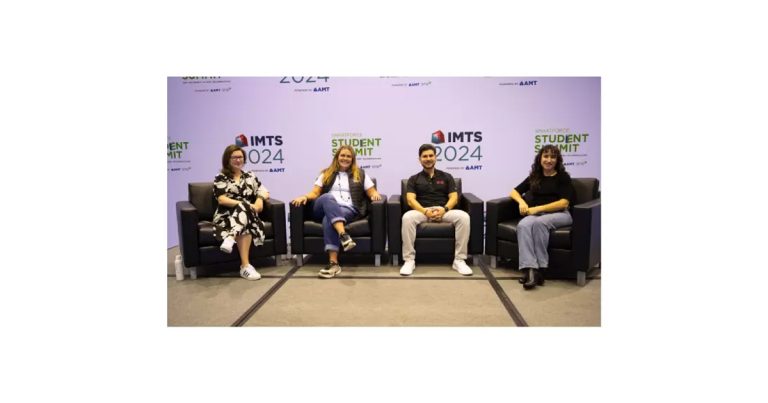
    Smart manufacturing faces a myriad of challenges: a shortage of skilled labour. supply chain issues, and technological advancements that, for companies who cannot keep pace, threaten a competitive edge. Solving these problems today, and into the future, is critical to ensure the success of the industry. Empowering the next generation to explore careers in the skilled trades – especially smart manufacturing – provides considerable benefits for young people and the society in which they live and work. Networks such as Manufacturing USA play a key role in these efforts by sharing information and a united vision for the future of manufacturing.

  • |

    Hannover Messe: See How Canada Is Shaping the Future With Technology

    As the exclusive partner country for Hannover Messe, Canada is showcasing 220 of its brightest companies and research organizations in automation, digital transformation, alternative energy, hydrogen, and green technologies. See how Canada is shaping the future. It is home to the world’s top-rated lithium-ion EV battery supply chain, it is a top 10 green hydrogen producer. Unbeknownst to much of the world, it’s all happening in Canada. That’s about to change. At Hannover Messe 2025 the theme this year is Unexpected Canada to show the world what it didn’t know. Canadian dominance across several advanced industries aside, many business leaders don’t know that Canada has the world’s most diverse workforce, decades of economic and political stability, a welcoming culture, and an abundance of natural resources. For the uninitiated, this is why Canada is uniquely positioned as an ideal place to do business.

  • |

    Littelfuse Expands Magnetic Sensor Portfolio with High-Precision TMR Angle Sensors

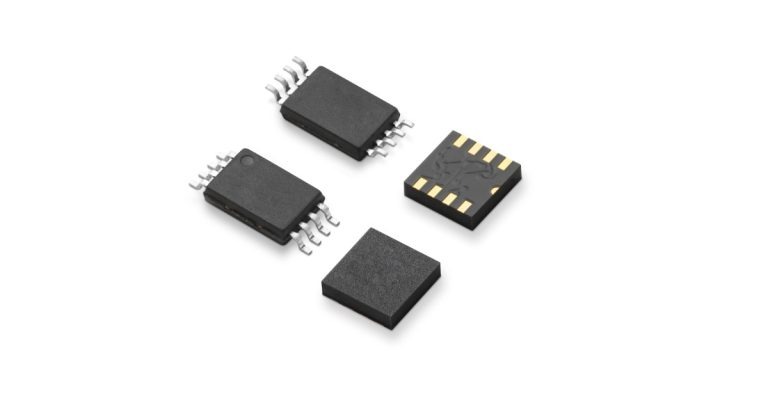
    Littelfuse has announced the launch of two new TMR-based magnetic angle sensors – the LF53466 and LF53464 – designed to deliver high-precision 0–360° angular measurement in harsh environments with minimal thermal drift. Both sensors utilize Tunneling Magnetoresistance (TMR) technology in a dual push-pull Wheatstone bridge configuration, each featuring four high-sensitivity sensing elements, which enable accurate angle detection along the X and Y axes. These sensors offer a compelling alternative to Hall-effect devices by providing exceptional thermal stability, wide supply voltage compatibility, and enhanced measurement precision. The LF53466, housed in a standard TSSOP8 package, offers precision angle sensing with an error of less than 0.8° in the 200–800 Gs magnetic field range. It is ideal for industrial and automotive applications that benefit from stronger mechanical solder joints and ease of inspection—such as steering wheel angle sensors, pedal position sensors, and contactless potentiometers. The LF53464, available in a compact LGA8L package, achieves even greater accuracy—angle error below 0.6°—while enabling wider airgap capability and compatibility with smaller, lower-cost magnets. It is well-suited for space-constrained applications such as rotary encoders, knob and valve position sensing, and consumer devices including power tools and appliances.

  • Five Things to Consider When Selecting a Safety Light Curtain

    Light curtains go a long way in making your operations much safer for machine operators and maintenance personnel. That said, simply purchasing and installing one doesn’t ensure that all safety needs are fully met. It’s important to make sure that the light curtain meets all the requirements for reducing the risks of your particular application.


  • | | | |

    PULS: FIEPOS – IP54, IP65 & IP67 Field Power Supplies

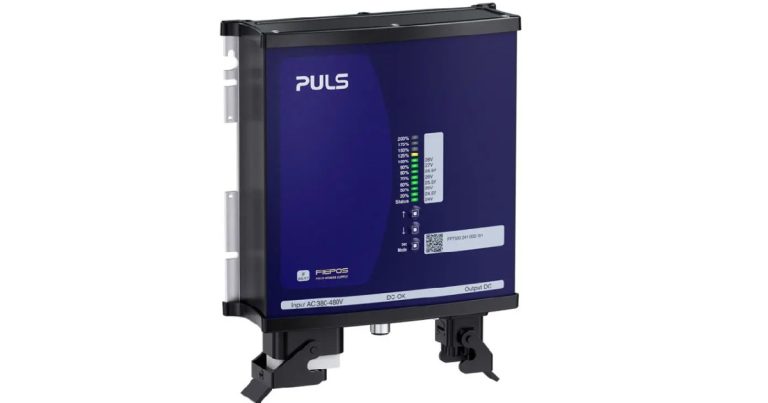
    With FIEPOS, short for FIEld POwer Supply, PULS presents a new type of power supply that was developed precisely for decentralized applications: A field power supply with protection class IP54, IP65 and IP67, that is easy to install and flexible enough to meet the diverse requirements of modular factory automation. The efficient 300 W and 500 W field power supplies fit in a very robust and compact housing. Various versions are available from stock – including current-limited outputs for selective current distribution, a variety of plug connectors, IO-Link as a communication interface, and decoupling MOSFETs for developing redundant systems. In short, PULS’ field power supplies are the alternative to a power supply in the centralized control cabinet, decentralized on-site control box or a customer-specific solution.

  • | | | |

    X Tronics: IDEC Operator Interfaces

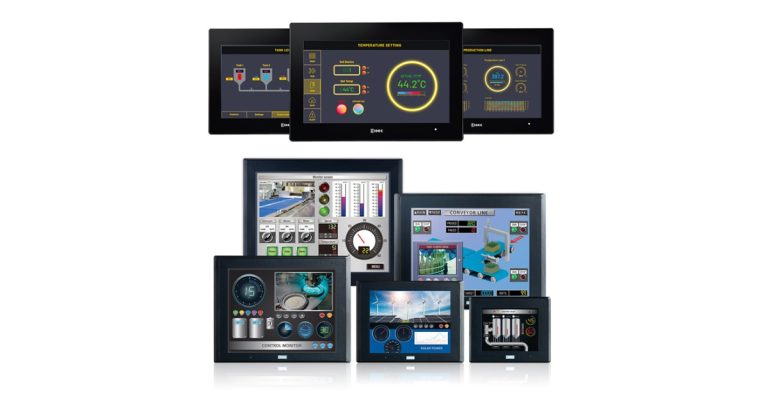
    IDEC’s operator interface products offer an excellent solution for your display needs. Bright LCD touch screens deliver crisp images, with powerful configuration tools that allow you to easily create a user-friendly and powerful system, enhancing your Human Machine Interaction. The HG2J Series – 7” HMI Display offers a sleek, brilliant display with new functions. The space-saving design also contributes to the downsizing of equipment.


Changing Scene


Sponsored Content
The Easy Way to the Industrial IoT

The way to the Industrial IoT does not have to be complicated. Whether access to valuable data is required or new, data-driven services are to be generated, Weidmuller enables its customers to go from data to value the easy way. Weidmuller’s comprehensive and cutting-edge IIoT portfolio applies to greenfield and brownfield applications. Weidmuller offers components and solutions from data acquisition, data pre-processing, data communication and data analysis.

Visit Weidmuller’s Industrial IoT Portfolio.


ADVANCED Motion Controls Takes Servo Drives to New Heights (and Depths) with FlexPro Extended Environment Product Line

Advanced Motion Controls is proud to announce the addition of six new CANopen servo drives with Extended Environment capabilities to their FlexPro line. These new drives join AMC’s existing EtherCAT Extended Environment FlexPro drives, making the FlexPro line the go-to solution for motion control applications in harsh environments.

Many motion control applications take place in conditions that are less than ideal, such as extreme temperatures, high and low pressures, shocks and vibrations, and contamination. Electronics, including servo drives, can malfunction or sustain permanent damage in these conditions.

Read More


Service Wire Co. Announces New Titles for Key Executives

Bruce Kesler and Mark Gatewood have been given new titles and responsibilities for Service Wire Co.

Bruce Kesler has assumed the role of Senior Director – Business Development. Bruce will be responsible for Service Wire’s largest strategic accounts and our growing Strategic Accounts Team.

Mark Gatewood has been promoted to the role of Vice President – Sales & Marketing. In this role, Gatewood will lead the efforts of Service Wire Company’s entire sales and marketing organization in all market verticals.

Read More


Tri-Mach Announces the Purchase of an Additional 45,000 sq ft. Facility

Tri-Mach Elmira Facility

Recently, Tri-Mach Inc. was thrilled to announce the addition of a new 45,000 sq ft. facility. Located at 285 Union St., Elmira, ON, this facility expands Tri-Mach’s capabilities, allowing them to better serve the growing needs of their customers.

Positioning for growth, this additional facility will allow Tri-Mach to continue taking on large-scale projects, enhance product performance testing, and provide equipment storage for their customers. The building will also be the new home to their Skilled Trades Centre of Excellence.

Read More


JMP Parent Company, CONVERGIX Acquires AGR Automation, Expanding Global Reach

Convergix Automation Solutions has completed the acquisition of AGR Automation (“AGR”), a UK-based provider of custom, high-performance automation design and systems integration primarily to the life sciences industry.

Following Convergix’s acquisitions of JMP Solutions in August 2021 and Classic Design in February 2022, AGR marks the third investment in Crestview’s strategy to build Convergix into a diversified automation solutions provider targeting the global $500+ billion market, with a particular focus on the $70 billion global systems integration and connectivity segments. Financial terms of the transaction were not disclosed.

Read More


Latest Articles

  • PULS: Active Load Sharing for DIN Rail Power Supplies

    PULS: Active Load Sharing for DIN Rail Power Supplies

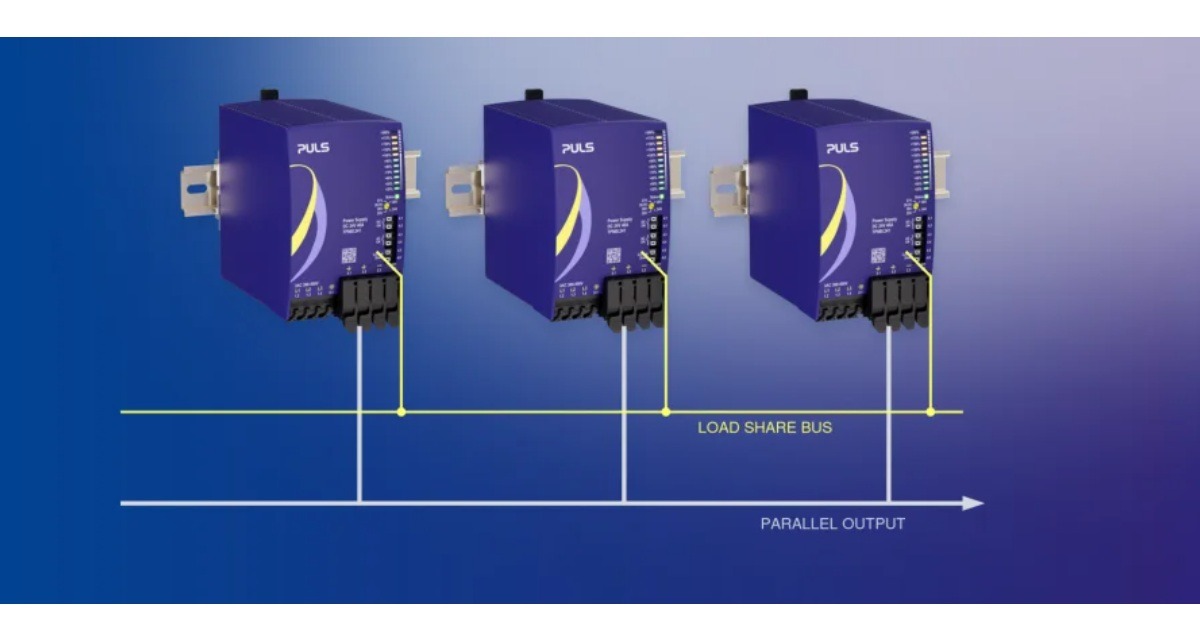
    October 20, 2026 Discover How Active Load Sharing Offers a More Precise Way to Combine Multiple DIN Rail Power Supplies When an industrial application requires more power than a single DIN rail power supply can deliver, connecting several units in parallel is an obvious solution. The technical challenge is to distribute the load evenly without… Read More…

  • Rockwell Automation: The 5 Priorities Defining Manufacturing’s Next Chapter

    Rockwell Automation: The 5 Priorities Defining Manufacturing’s Next Chapter

    A few years ago, the focus was on digital transformation itself. Organizations were asking whether they should invest, where to begin, and how quickly they could justify the cost. Today, the debate is largely over. According to Rockwell Automation’s 11th annual State of Smart Manufacturing Report, 90% of manufacturers now say digital transformation is necessary… Read More…