Latest News | Automation | Control Panel Solutions | Electrical Solutions | Industrial Technology | Smart Factory
Beckhoff: Why Machine Builders Should Move Beyond the Control Cabinet
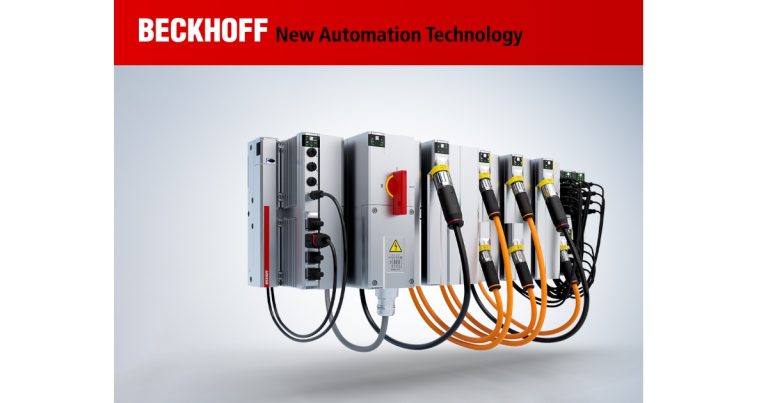
Panel assembly can take up to 24-hours per machine cabinet. But the real costs show up later in engineering time, wiring, and labour challenges. Cabinet-free automation addresses these challenges by moving the control technology outside the traditional control cabinet. The decentralized MX-System provides complete control for cabinet-free automation of machines and systems. To this end, Beckhoff has bundled over four decades of automation expertise into a modular system that performs all of the tasks and exhibits the properties of a classic control cabinet.