3 Ways Automation Creates a More Ergonomic Work Environment

June 25, 2025
Factory Automation Can Reduce Employee Injury by Eliminating Many of the Highest Risk Scenarios
Every good business owner understands the importance of avoiding injuries among the workforce almost without being told but preventing them isn’t always a simple task. Some jobs are necessarily more dangerous than others and even work that doesn’t seem inherently risky can still take its toll.
Of this second class, the greatest offenders are ones caused by poor ergonomic conditions in the workspace. These conditions, known as ergonomic hazards, place undue strain on the musculoskeletal system. This includes the muscles and ligaments of the neck and lower spine, like the muscles, tendons, and nerves of the hands and wrists; and the bones and muscles surrounding the legs and knees.
Three of the most common workplace injuries caused by ergonomic hazards include:
- Repetitive strain injuries.
- Prolonged positions in the same posture.
- Strain caused by awkward or risky movements.
The good news is that automation offers direct solutions to many of these scenarios. Even in partially automated environments, assistive technology can significantly reduce the strain placed on human bodies. Here are three ways automation creates a more ergonomic work environment for workers.
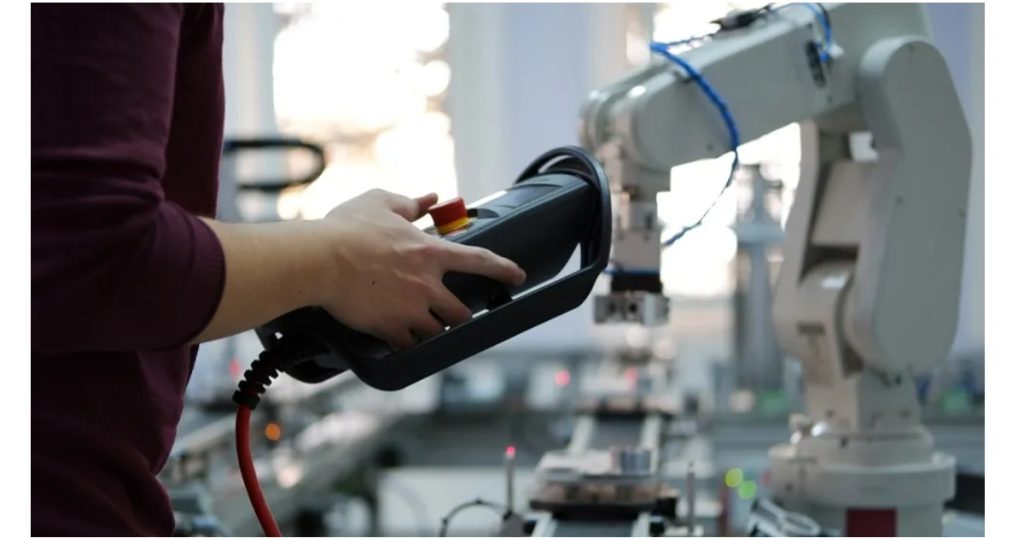
1) Automation Reduces or Eliminates Repetitive Tasks
Many traditional manufacturing tasks require strictly controlled movements that need to be replicated thousands of times a day. The impact of even seemingly small movements can build over time, leading to weakened muscles and damaged nerves. Conditions such as tennis elbow, carpal tunnel, and tendonitis can make it impossible for workers to continue their tasks without exacerbating their injury. It is thought that some working environments, such as operating vibrating machinery, can make these conditions worse.
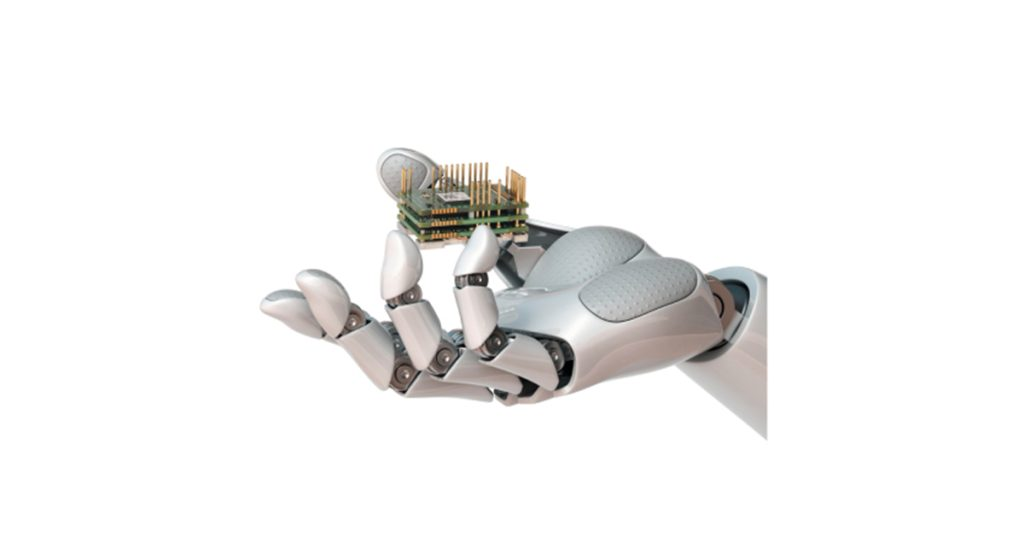
Fortunately, high-volume, repeatable tasks are the best candidates for automation, and indeed many have already been redesigned to be handled by machines. However, some tasks have resisted automation because they require more dexterity or awareness of spatial relationships than traditional machine automation has allowed. The latest generation of robots, equipped with advanced vision technology and highly accurate pick-and-place capabilities, is expanding the kinds of tasks that can be automated.
2) Employees Perform a Greater Variety of Tasks
One of the frustrating paradoxes of workplace injuries is that workers seem to face just as many risks from sitting in one place as they do from moving around. The ergonomic risks of maintaining a fixed position for hours on end are not even immediately obvious to employees, who may adopt a certain posture because they find it comfortable, not realizing the cumulative stress it may place on their neck or back.
When automated systems are introduced into a work environment, they cut down on the amount of time an employee spends performing any given task. Before, employees might have spent a whole shift in one position. Now, they are more likely to cycle between tasks, moving from station to station as necessary.
This is especially true in low-volume manufacturing, where more production processes have traditionally been carried out by hand. Even the introduction of a modest automated system can mean that workers have more natural breakpoints during the day to stretch their legs and move around—such as when they’re changing a tooling plate or reprogramming a robot between tasks.
These changes may seem small, but the simple fact that human workers handle variety better than robots will mean that as homogeneous tasks become automated, the tasks that remain will naturally be heterogeneous, and that’s good news for anyone who doesn’t want to sit still for too long.
3) Cobots Help with Movement & Positioning
Finally, many ergonomic hazards stem from moving objects in awkward ways. Workers who must load pallets for storage or shipping may find themselves straining when they bend over or as they lift boxes above their heads. An employee at a workstation may be regularly reaching too far for components or may have to hold parts at uncomfortable angles during the assembly process. The heavier components and assembly tools are, the more physical strain they will place on the worker.
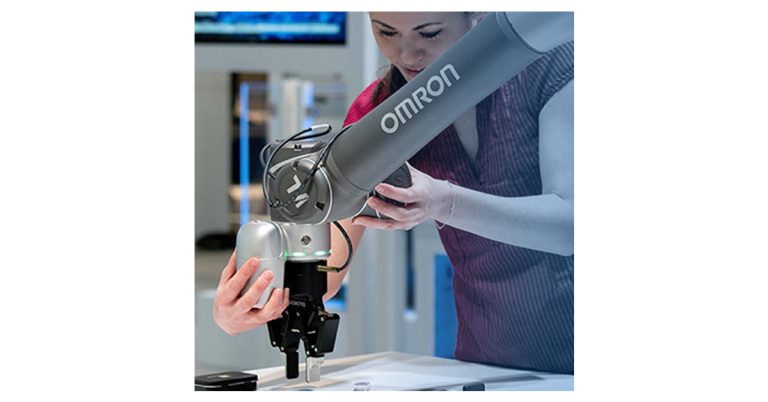
Collaborative robots, often known as cobots, can ease this strain in numerous ways. For instance, they can offload components from a tray and place them within easy reach of a worker, or they can hold an object in position while a worker completes an assembly step. As robots become more mobile, their applications on the factory floor will only become more varied and can soon expect to see autonomous helpers as a regular part of operations in any manufacturing setting.
Worker Safety Improves When Automation Is Incorporated Intelligently
Of the benefits provided by automation, too little attention is paid to the ways this technology leads to better working environments for the people working within them. Robots lead to more humane working environments not by removing the need for human workers, but by taking over the work that humans are least suited to handle themselves.
As automation increases, the nature of work within automated factories will place a greater emphasis on problem-solving, collaboration, and creativity. Human workers will need to program, operate, and oversee tasks being handled by robots and other automated processes. This work will not only be better suited to their natural abilities but as a result, it will be more fulfilling.
If you are interested in learning more about how automation can improve workplace safety, Convergix can help you. They design processes for your factory that better incorporate automated systems and can also discuss specific safety measures designed to create an injury-free work environment. Contact Convergix to learn more.
The future of manufacturing depends on skilled workers who have benefited from training in both technical and inter-personal skills and Convergix is proud to be innovators in their development.
Ergonomic Ergonomic Ergonomic Ergonomic