OMRON: Why Precision Matters in Automotive Production
June 9, 2026
How OMRON’s ZP-L Enables Reliable Defect Detection, Strong Repeatability, Reliability & Consistent Performance
In automotive manufacturing, precision directly affects performance, cost, and customer perception. A deviation of just a fraction of a millimeter can lead to noise, vibration, premature wear, or failed inspections. Over time, these small issues become large ones, leading to warranty claims, rework, and inefficiencies. That’s why manufacturers are increasingly focused on zero-defect production, eliminating variation at the source rather than correcting it later.
Zero-Defect Production Starts with Better Measurement
Achieving zero-defect production doesn’t mean perfection, it means control.
To achieve this, manufacturers must:
- Enable early and accurate defect detection
- Improve repeatability and reliability across every production cycle
- Focus on reducing production errors at the source
This shift moves quality from end-of-line inspection to in-process validation and control.
Where Precision Accuracy Matters Most
In automotive applications, precision accuracy is critical in areas where small deviations create functional or visible issues:
- Panel Alignment (Gap & Flush): Ensures consistent fit, finish, and reduced noise
- Bearing Press Depth: Prevents vibration, wear, and performance degradation
- Seal Compression: Maintains proper sealing without damage or leakage
These processes demand consistent and repeatable measurement.
Where Traditional Sensing is Limited
Conventional sensing methods are often limited due to:
- Sensitivity to surface finish, reflectivity, or color
- Inconsistent results across different materials
- Limited ability to detect small features or subtle changes
This variability increases the risk of missed defects and inconsistent quality, working against zero-defect initiatives.
Advanced Sensing Enables Consistency
To reduce variability, manufacturers are adopting sensing technologies that prioritize stability and precision.
Key capabilities include:
- Non-contact sensing for consistent, wear-free measurement
- Transparent and non-color specific object detection for reliable performance across materials
- High repeatability and reliability across shifts and environments
- Strong precision accuracy to detect even the smallest deviations
These capabilities strengthen defect detection and play a critical role in reducing production errors throughout the production process.
From Inspection to Process Control
Modern automotive production is shifting from detecting defects to preventing them.
With continuous, high-resolution measurement, manufacturers can:
- Monitor variation in real time
- Adjust processes before defects occur
- Maintain tighter tolerances without slowing production
This approach improves both quality and efficiency, key drivers in competitive automotive manufacturing.
Enabling Precision without Complexity
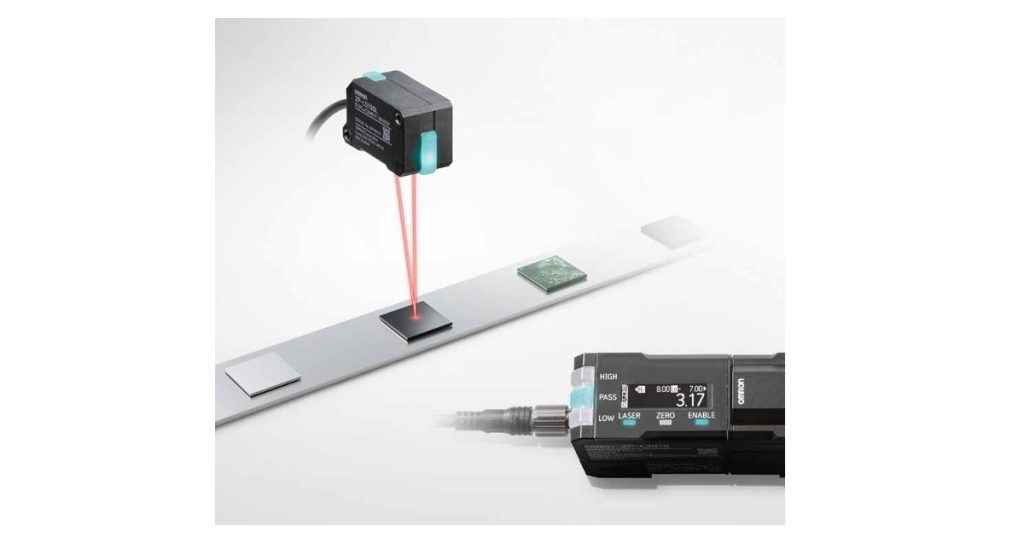
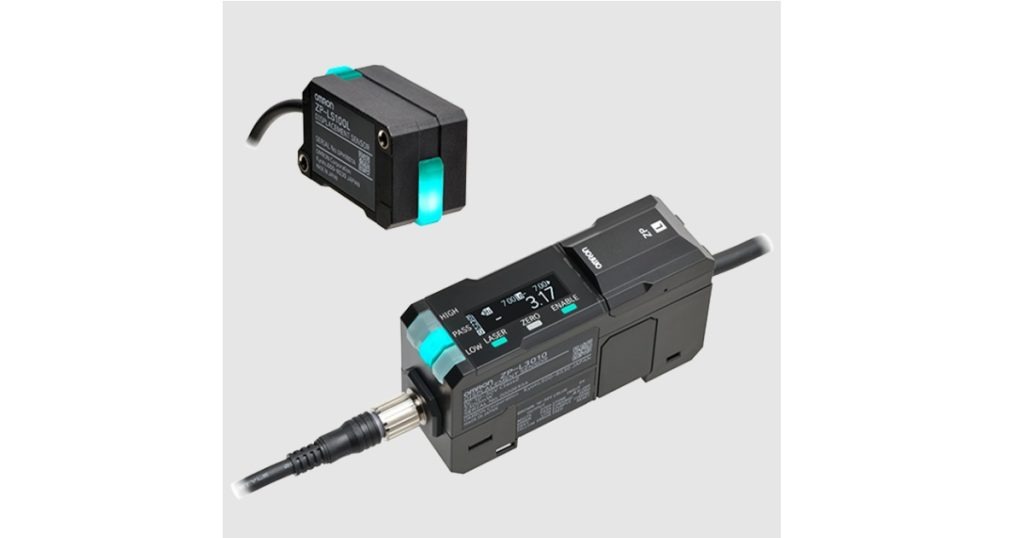
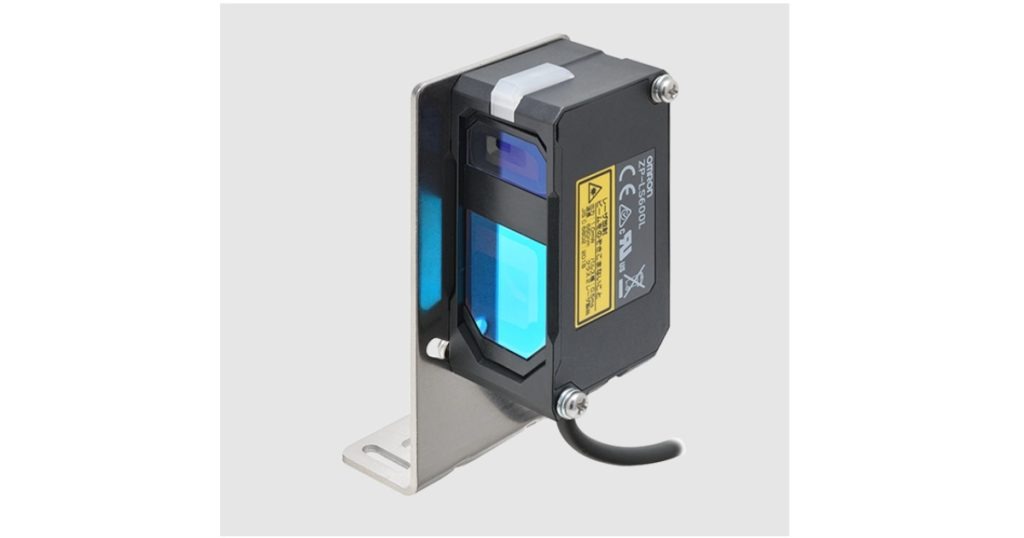
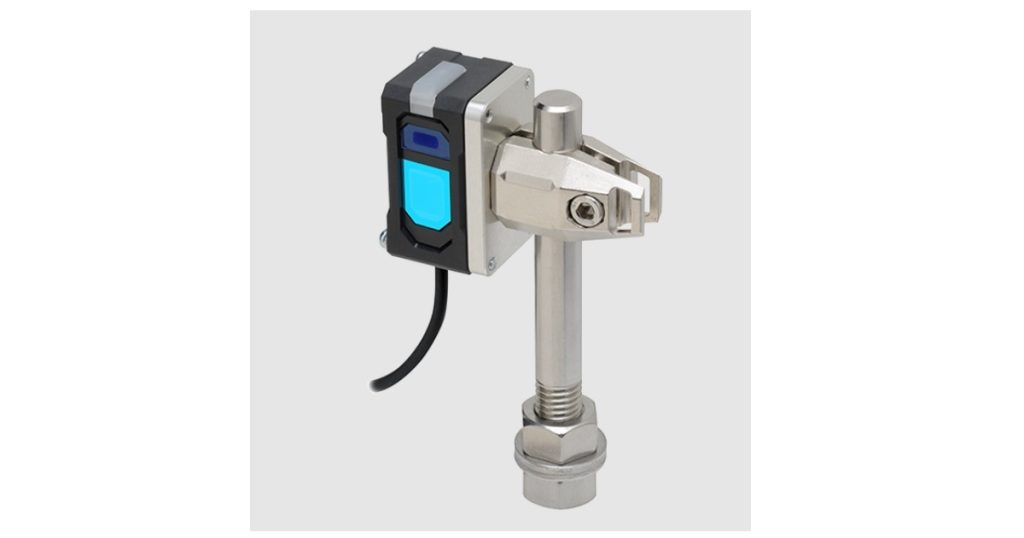
Achieving precision no longer requires complex systems. Solutions like OMRON’s ZP-L enable reliable defect detection, strong repeatability and reliability, and consistent performance across materials using non-contact sensing and non-color dependent detection, without adding unnecessary complexity.
In addition, the ZP-L is designed to simplify setup, integration, and ongoing operation, helping teams reduce installation time, streamline troubleshooting, and minimize unplanned downtime through a more intuitive, user-friendly experience.
By improving precision accuracy, manufacturers can advance toward zero-defect production, reduce production errors, minimize risk, and deliver consistent quality at scale. Because in automotive manufacturing, small measurements drive big outcomes.
Learn more and move towards zero-defect production today!
For more information on OMRON solutions HERE

ZP-L ZP-L