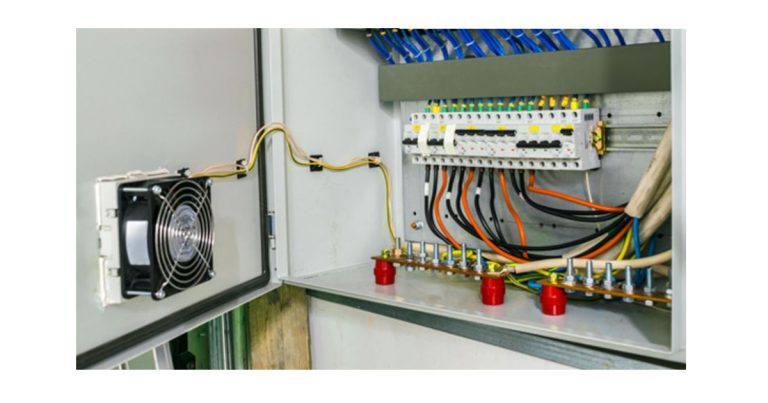
Imagine a bustling manufacturing plant where machines produce thousands of components every hour. The electrical cabinets buzz with energy, and a labyrinth of cables branches out to every corner, connecting motors large and small. In one corner stands a shiny new Variable Frequency Drive (VFD) controlling a high-horsepower motor. Nearby, an experienced technician named Alex notices something on his handheld meter: a small current is flowing to the ground. At first, it might seem like no big deal, just a few milliamps. But is it dangerous? Or completely normal? This is the heart of the story, and it brings up a question that might be obvious to an experienced professional but still makes you think deeply: Why do we place so much emphasis on the small currents? Why do engineers and technicians, meticulously measure, analyze, and sometimes worry about these tiny currents that appear to do no harm? The reason, of course, is because these small currents can be indicators—indicators of normal operation, or signs of a potential problem that could cause serious safety issues. Welcome to the world of leakage current and ground faults in VFD systems. This article will explore these phenomena with a didactic approach, focusing on why they matter, how they behave, and what sets them apart, especially when looking at clean power VFDs. Whether you’ve spent decades in electrical systems or you’re just stepping into this specialized area, this exploration aims to reinforce the concepts and inspire you to dig deeper into the nuances of these tiny but critically important currents.