Strategies for Achieving Modern Oilfields
June 17, 2025
Top Ten Recommendations for Creating Modern Oilfields
By: Bill Roberts, North America Oil & Gas Industry Manger – Rockwell Automation
The oil and gas industry stands at a crossroads: aging infrastructure, declining production, and rising costs threaten profitability, while climate pressures demand sustainable innovation. How can oilfield operators achieve this?
The Trillion Dollar Modernization Imperative
The oil and gas industry is undergoing a rapid transformation driven by technological advancements. Automation, power, and digital systems are at the forefront of this modernization, offering the potential to enhance efficiency, safety, and environmental sustainability. However, the implementation of these mission-critical systems in onshore oilfields presents a unique set of challenges and recommendations.
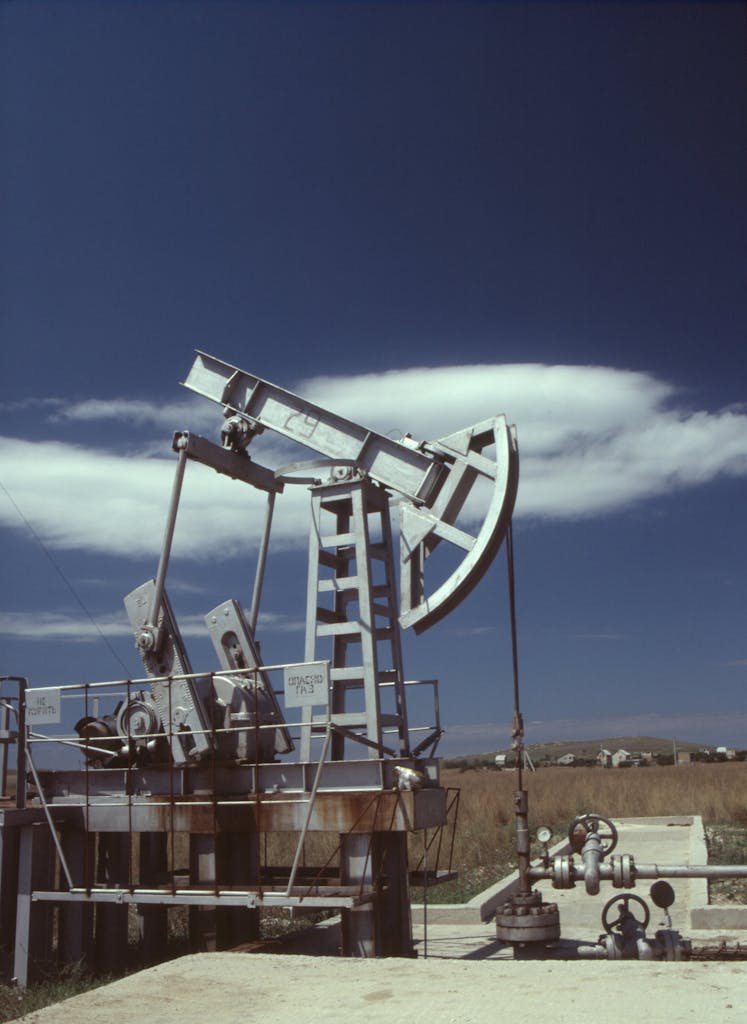
Studies indicate onshore oilfield installations worldwide range from brand-new facilities to infrastructure over 70 years old. The average age likely falls between 30 and 50 years for many operational installations. To modernize and optimize yield for these sites, the top challenges that must be addressed are:
- Declining Production Rates: Maturing reservoirs and inherent geological complexities contribute to a steady decrease in extraction effectiveness.
- Aging Infrastructure: Legacy infrastructure, often operating beyond its intended lifespan, suffers from reduced performance and increased vulnerability to failures and cyberattacks.
- High Maintenance Burden: The range of disparate platforms and aging assets requires frequent and costly maintenance interventions, impacting operational uptime and profitability.
- Huge Volume of Unstructured Data: The accumulation of vast, heterogeneous data sets, lacking standardized formats, impedes effective analysis and informed decision-making.
- Increased Operating Costs: Rising consumables prices, labor shortages, and maintenance expenditures contribute to escalating operational expenses.
- Safety and Environmental Risks: The inherent hazards associated with extraction, exacerbated by aging infrastructure, amplify safety and environmental concerns.
The Digitally Enabled Oilfield
A digital oilfield uses modern technologies like open control systems, electrification, artificial intelligence (AI), and both on-premise and cloud Internet of Things (IoT) to enhance operations. It enables companies to understand and analyze data in real-time, making it easier to monitor and manage oilfield activities. This helps increase efficiency, reduce costs, and minimize downtime by automating routine tasks and enabling better decision-making.
Although these technologies hold the key to sustainable and profitable production, research shows that, while almost every energy company has digitization projects across various parts of their operations, “70 percent of them have not moved beyond the pilot phase.” (McKinsey)
Achieving the Modern Oilfield: A Strategic Framework
To address these challenges and enable long-term sustainability, a systematic modernization strategy is crucial. This strategy encompasses the following key elements:
1. Consider Legacy Infrastructure & Integration
To successfully integrate aging infrastructure with modern automation technologies, it is vital to implement a clear migration strategy. This involves assessing current equipment and processes, identifying opportunities for modernization, and developing a seamless integration roadmap. Prioritizing retrofitting or replacement of outdated systems is crucial, as is bridging legacy systems with modern automation platforms. Utilizing a value-driven migration methodology offers a phased approach that will help minimize production downtime during the transition.
2. Build for Scalability & Flexibility
To accommodate future expansion and adapt to evolving technologies, adopting a modular and open systems approach is critical. A strategy to reduce deployment time and use standard components to unlock future growth is needed. By leveraging open, scalable, and secure architectures, automation solutions can integrate existing mature assets and modern multi-well pads, including systems and equipment for a wide variety of enhanced oil recovery methods.
3. Incorporate Electrification
The industry recognizes emissions reduction is a cost of doing business today and in the future. Transitioning from gas turbine and diesel generation as “prime movers” to grid-ready electrification requires capital investment and improved gas take-away capacity in the form of pipeline infrastructure. Assessing equipment availability is also essential. Advancements in hybrid power systems, microgrids, prefabricated E-Houses, and variable frequency drives (VFDs) can support this transition effectively.
4. Use Smart Instruments & Data Collection Systems
To overcome the limitation of analog instruments and move to smart, digital sensors, it is important to assess existing infrastructure and define clear objectives for modernizing. Evaluating instrument performance diagnostics and planning for digital system compatibility are critical steps. Employing vibration monitoring sensors and modern measurement solutions with advanced, condition-based monitoring solutions are needed to deliver data-ready capabilities.
5. Leverage Remote Operations & Telemetry
Addressing the challenges of legacy system integration, poor connectivity, and limited instrumentation to enable remote monitoring can be achieved through the adoption of edge and edge-to-cloud systems. Utilizing integrated platforms for monitoring and control, along with docker-enabled Remote Terminal Units (RTUs), can enhance operational effectiveness.
6. Implement Advanced Analytics
To gain deep insights into process metrics, optimal operational performance, and predict asset failures are possible by implementing digital twins and advanced analytics. Modern closed-loop control and optimization at the edge as well as AI-powered surveillance platforms are driving new value in mature fields.
7. Data Management & Data-Driven Intelligent Action
Effective data management requires access to relevant contextual data, multi-system integration, and data accessibility. Building a unified data flow between operational technology (OT) and information technology (IT) is crucial. Establishing a strong data foundation layer and enabling connected operations through enterprise-level IIoT platforms, production data management systems, and performance prediction platforms will enhance data-driven decision-making.
8. Define a Cybersecurity Strategy
Preparing oilfield operations to address cybersecurity threats is critical. This necessitates following the NIST framework, maintaining a comprehensive asset inventory, and implementing actionable, prioritized risk and vulnerability management. Utilizing OT systems embedded with cybersecurity capabilities and employing behavioral analysis and machine learning for threat detection will bolster security measures.
9. Plan for Workforce Development
According to McKinsey, “New technologies require staff to develop new skills, adopt new processes, and change long-standing working practices.”
To train the existing workforce effectively and attract new skilled talent, it is important to empower current employees and engage new recruits through comprehensive training programs. Utilizing user-centered HMI design, augmented reality (AR) technologies, and remote expert guidance tools will enhance learning and operational efficiency.
10. Prioritize Sustainability
Minimizing environmental impact and prioritizing sustainability requires a proactive roadmap that measures performance, optimizes processes, and supervises operations. Employing energy-efficient automation solutions, energy management platforms, effective carbon metering and error measurement systems, and carbon accounting platforms will support these sustainability efforts.
Enabling Technologies
To modernize oilfields effectively, leveraging Rockwell Automation and Sensia technologies and services can help to achieve operational effectiveness. Based on the existing infrastructure or future well pad requirements, installing Smart devices, AI-driven models, and other digital capabilities can help to deliver condition-based monitoring, real-time asset failure prediction, and improved asset surveillance.
By utilizing Allen‑Bradley control systems, companies can enhance automation capabilities and enhance or migrate from legacy systems. The PlantPAx Distributed Control System streamlines operations and enhances safety, while providing a platform to deliver advanced analytics and improved network infrastructure. Cyber security applications can also be designed to detect and mitigate cyber threats.
The FactoryTalk suite of software offers a robust data management solution that facilitates seamless integration and accessibility of data, aligning with the recommendation to build a unified data flow between operational technology (OT) and information technology (IT). Using AI data solutions at the edge, like FactoryTalk LogixAI and FactoryTalk Guardian AI, predict failures before they occur and put the power of AI into the hands of operators. Enabling these platforms at the edge takes the right edge devices.
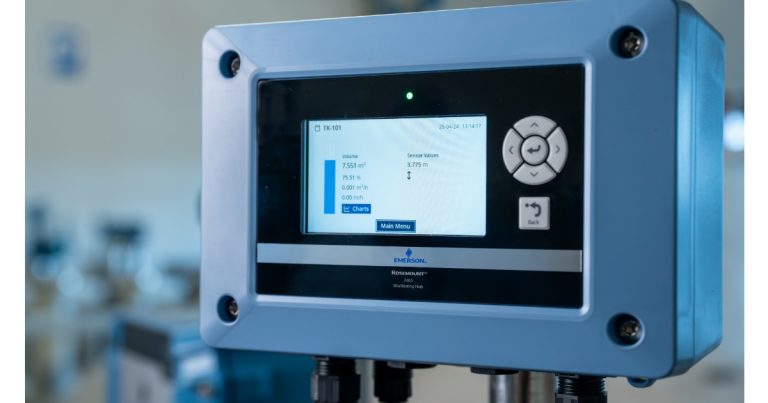
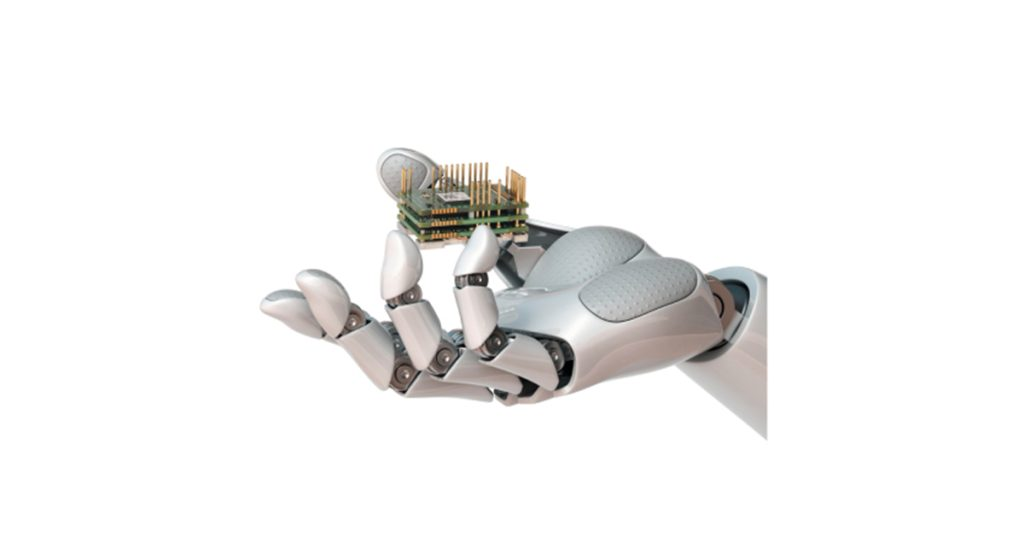
The QRATE HCC2 hyperconverged controller from Sensia delivers best-in-class edge performance in some of the world’s harshest environments.
These technologies not only address the challenges faced by the industry but also align with best practice recommendations for modernization.
Why Now?
Modernizing onshore oilfields is a transformative journey that requires a holistic strategy. With challenges in oil and gas, such as aging infrastructure, declining production rates, and rising operational costs, innovative and actionable solutions are needed to create modern oilfields that conform to modern standards and output levels. Embracing advanced technologies like automation, artificial intelligence, and the Internet of Things can significantly enhance efficiency and safety.
Prioritizing data-driven optimization is crucial for informed decision-making, enabling real-time monitoring and predictive maintenance that can lower costs and extend asset life. Sustainability must also be central to modernization efforts, as the industry faces pressure to reduce its emission levels and reduce environmental impacts. Adopting sustainable practices, transitioning to electrification, and implementing energy-efficient solutions will enhance corporate reputation and stakeholder trust.
Ultimately, successful modernization relies on a commitment to continuous improvement and innovation, fostering adaptability, and investing in workforce development to achieve long-term viability in a changing market landscape.
Partner with Rockwell Automation and Sensia on your modernization journey. Their technology and experience in the industry will reduce time to “first oil” and “first gas” and help you to establish and navigate the roadmap to success.
Modern Oilfields Modern Oilfields Modern Oilfields Modern Oilfields Modern Oilfields Modern Oilfields