The Power of Integration: Top 10 Benefits of Integrated Process & Power in Oil and Gas
December 1, 2025
Benefits of Integration: By Unifying These Traditionally Separate Domains, Oil and Gas Companies Can Achieve New Levels of Performance & Resilience
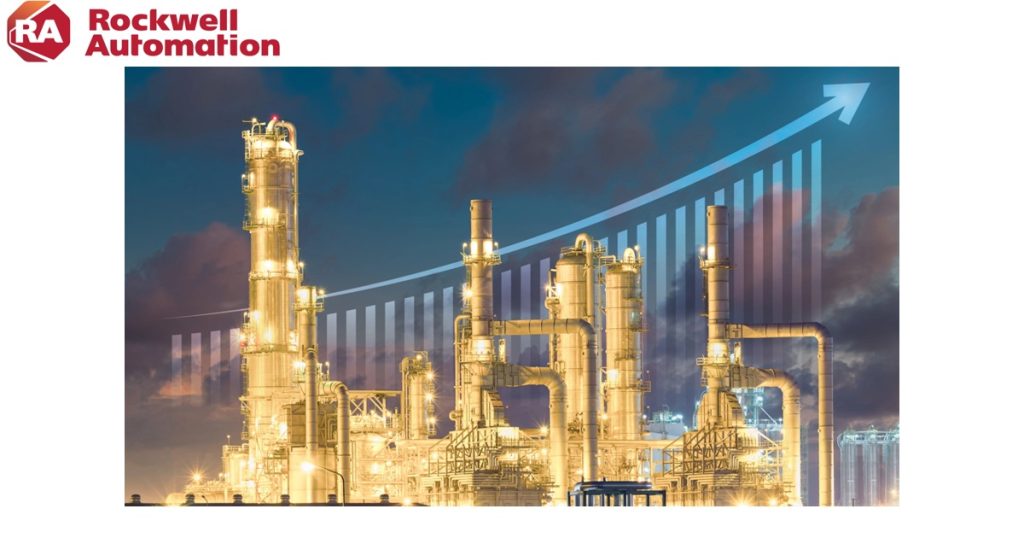
With operating costs up 32% and sustainability mandates tightening, oil and gas companies are rethinking how they manage energy and automation. The integration of process control and power systems is transforming the industry, enabling operators to optimize production, reduce costs, and enhance reliability across upstream, midstream, and downstream operations. By unifying these traditionally separate domains, oil and gas companies can achieve new levels of performance and resilience. This paper explores the top 10 benefits of integrating process control and power systems in oil and gas applications.
What Is Integrated Process & Power in Oil and Gas?
Integrated Process and Power refers to the seamless connection between process automation systems (like DCS, SCADA, and PLCs) and electrical infrastructure (such as switchgear, MCCs, and substations). This convergence enables unified operations, real-time visibility, and smarter decision-making across production, processing, and transport.
Key Technologies That Enable Integration:
- Distributed Control Systems (DCS): Centralized platforms for managing process units like vaporizers and BOG handling.
- Programmable Logic Controllers (PLCs): Flexible controllers for discrete tasks such as separation and sweetening.
- SCADA Systems: Real-time monitoring and control, especially for pipeline operations.
- Remote Terminal Units (RTUs): Field devices for remote asset management.
- Power Distribution Systems: Switchgear, transformers, and substations supporting critical loads.
- Motor Control Centers (MCCs): VFDs, soft starters, and protection relays for rotating equipment.
- Energy Management Systems: Tools for metering, optimization, and energy quality control.
- Intelligent Electronic Devices (IEDs): Advanced relays and meters for diagnostics and control.
The Case for Electrification
Before exploring the benefits of integrated process and power, it’s important to understand why electrification matters.
Electrification is a key driver for decarbonization and operational efficiency in oil and gas. Replacing conventional systems with electric architecture reduces emissions, optimizes energy use, and enables advanced digital control – essential for achieving sustainability goals and delivering long-term asset performance. For example, integrated process and power systems replace inefficient combustion turbines (66–75% energy loss) with low-carbon grids or renewables. Moving from hydraulic to electric improves data integration, minimizes maintenance, and delivers precise long-distance control for subsea tiebacks, while cutting water management energy demand that often exceeds 50%.
Find out more about electrification HERE
Explore this Customer Case Study
Unlocking Value: The Top 10 Benefits of Integrated Process & Power
1. Enhanced Operational Efficiency
Challenge: Oil and gas sites often suffer from siloed decision-making between process and electrical teams, causing delays and inefficiencies and affecting profitability. Upstream oil and gas companies saw operating costs rise by 32% in 2024, driven by energy and resource intensity, highlighting the need for better energy optimization.
Use Case: Integration streamlines operations. For example, in a gas processing plant, process control manages dehydration, sweetening, and fractionation units while power systems support critical pumps and compressors. Unified data enables automatic adjustments-such as optimizing compressor load based on real-time energy consumption, reducing waste and improving throughput.
2. Improved Energy Management
Challenge: Energy is a major cost in oil and gas, especially for large-scale pumping, compression, and heating. The IEA reports that energy efficiency improvements in industry could cut operational energy demand by 25% by 2030, but current adoption is lagging due to fragmented systems and poor integration.
Use Case: Energy Management solutions applied on Electrical Submersible Pump (ESP) systems reduce energy waste by monitoring real-time power usage, optimizing pump speed and load balance, and improving power factors. It enables data-driven scheduling and predictive adjustments, achieving peak operating efficiency for ESP systems, lowering energy costs.
3. Increased Asset Reliability & Uptime
Challenge: Unexpected equipment failures (e.g., pump, compressor) can halt production and cause safety risks. A 1% reduction in compressor station availability can result in $500,000 annual income loss for large-capacity pipeline systems due to reduced throughput and contractual penalties.
Use Case: By combining process and electrical data – such as vibration and electrical signature analysis – the integrated approach detects early failure signs, enables proactive interventions, and significantly reduces costly downtime. This enables prescriptive maintenance, which takes integration to another level by not only forecasting potential failures but also autonomously executing optimal corrective actions. For example, the system can automatically adjust a variable frequency drive on a pump based on vibration data and process demand to help prevent damage and maintain efficiency.
4. Centralized Monitoring & Control
Challenge: Disparate platforms make it hard for teams to coordinate and respond quickly to issues.
Use Case: Operators, maintenance, and engineering teams access a unified interface for diagnostics, alarms, and historical analysis. This is especially valuable for remote operations (oilfields, pipeline SCADA) and multi-site management.
Read more about unifying control HERE
5. Enhanced Safety & Risk Mitigation
Challenge: Disjointed systems can delay emergency response, increasing risk during incidents (e.g., gas leaks, compressor surge, electrical faults). BSEE recorded over 160 offshore incidents in 2023, including fires, loss of well control, and spills—highlighting the ongoing need for integrated safety systems.
Use Case: An Energy Management System delivers stability through coordinated load-shedding strategies: contingency shedding during failures, underfrequency shedding when generation drops, and overload protection for generators. Integrated power and control automation dynamically manages loads and process demands, keeping essential equipment energized while optimizing energy distribution.
6. Optimized Production & Quality
Challenge: Maintaining consistent product quality is difficult without real-time coordination between process and power. IEA analysis shows that advanced process control and energy optimization can reduce energy intensity in refining by 10–15%, improving both yield and cost efficiency.
Use Case: In a vaporizer / heating application, for example, integrated systems enable real-time monitoring and optimization of electrical energy performance. By correlating heater power consumption with LNG send-out and outlet temperature metrics, operators can quickly identify inefficiencies, benchmark vaporizer performance, and apply control strategies. This approach achieves stable gas quality, minimizes energy waste, and supports compliance specifications.
7. Reduced Engineering & Commissioning Time
Challenge: Process and power engineering teams often work independently, leading to interface issues and delays. 73% of large oil and gas projects experience schedule delays, and 64% face cost overruns, often due to fragmented engineering and poor interface management.
Use Case: Unified engineering environments resolve interface challenges early, accelerate deployment, and reduce field modifications – critical for large projects like new LNG plants or Floating Production, Storage, and Offloading units (FPSO). By leveraging integrated platforms, these environments establish a Single Source of Truth for engineering data, delivering consistency across disciplines and reducing errors throughout the project lifecycle.
8. Lower Total Cost of Ownership (TCO)
Challenge: Siloed systems lead to redundant infrastructure, high maintenance costs, and inefficient resource allocation. Up to 80% of lifecycle costs are hidden from view, primarily in maintenance, energy, and downtime—not CapEx.
Use Case: Integration reduces energy consumption, maintenance interventions, and system complexity. Centralized support and standardized platforms lower operational overhead and streamline spare parts management.
9. Improved Cybersecurity Posture
Challenge: Fragmented systems hinder unified security strategies, increasing vulnerability to cyber threats. 94% of oil and gas companies have experienced at least one data breach, and over 50% suffered breaches in the last 30 days, with 69% scoring D or F in cybersecurity posture.
Use Case: Integration enables consistent security controls, network segmentation, and advanced intrusion detection across both process and power domains. Centralized patch management and secure remote access tools strengthen resilience against cyberattacks targeting critical infrastructure. These capabilities support the implementation of “Zero Trust Architecture” as the gold standard, where integrated systems enforce uniform security policies and segmentation as foundational that principles help to protect critical assets.
Read more about how a comprehensive inventory helps your security posture HERE
10. Scalability and Future-Readiness
Challenge: Legacy systems can become bottlenecks as oil and gas sites expand, adopt renewables, or deploy digital technologies. Oil and gas fields generally have a lifespan ranging from 15 to 30 years from first oil to decommissioning, though the largest deposits can produce for 50 years or more.
Use Case: Integrated systems provide a flexible foundation for digital transformation-supporting cloud analytics, remote operations, and digital twins. High-quality data and interoperability enable seamless expansion and innovation.
The integration of process control and power systems is a game-changer for the oil and gas industry. As operations become more complex and sustainability pressures mount, companies must adopt smarter, more connected solutions. Breaking down silos between electrical and automation disciplines delivers efficiency, resilience, safety, and long-term value. Forward-thinking organizations investing in integration will be better positioned to thrive in a competitive global market. To learn how integrated process and power can transform your operations, contact Rockwell Automation’s team or explore their latest solutions.
For more information on Rockwell Automation solutions and insights HERE

Integration Integration Integration Integration